European markets slide after renewed Trump tariff threats, as investors brace for escalation
European stocks fell after President Donald Trump renewed tariff threats tied to a dispute involving Greenland, reigniting fears of a broader trade conflict. Analysts warned that a tariff battle could hit manufacturing and growth, while policymakers weighed retaliation and legal constraints on U.S. tariff authority.
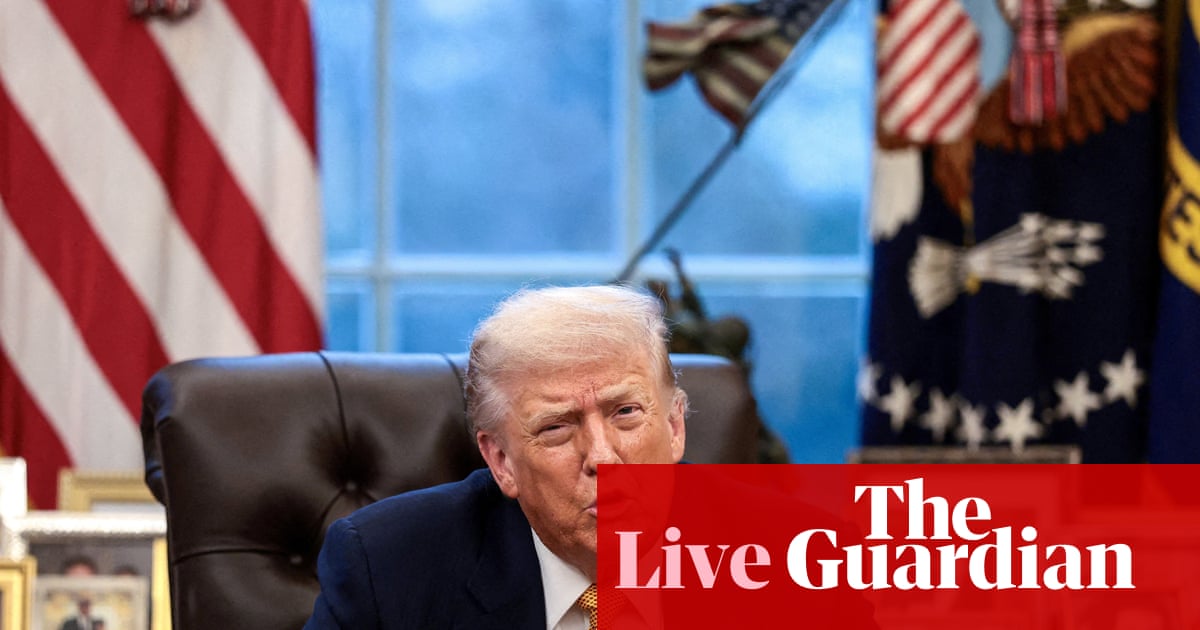
Markets react to fresh tariff rhetoric
European stock markets moved lower after U.S. President Donald Trump renewed tariff threats toward multiple European countries, reviving worries of a renewed trade war and its spillover effects on investment, manufacturing orders and consumer sentiment. Major indices across the region fell as traders reassessed the probability of near-term disruption to transatlantic commerce.
The renewed tariff talk has been linked to a broader political clash over Greenland and alliance tensions, with European leaders urging diplomacy while also signaling that retaliatory measures could be considered. When tariff threats become more specific—rates, products and timelines—markets tend to price in both direct impacts (higher costs, lower exports) and second-order effects (weaker business confidence, delayed capital spending).
Manufacturers warn about the cost of disruption
Industry and labor groups cautioned that large tariffs could act as a “wrecking ball” for manufacturing, particularly in sectors reliant on cross-border supply chains and U.S. demand. Products such as autos, spirits and industrial components were cited as exposed areas, because they can be sensitive to price changes and are often shipped in high volumes.
In addition to equities, investors monitored moves in perceived safe havens. In periods of trade uncertainty, some capital tends to rotate into assets like gold and into defensive equity sectors, especially if tariffs appear likely to feed inflation or slow growth. Currency markets also watch for signs that tariffs could change interest-rate expectations or widen trade imbalances.
EU retaliation and U.S. legal questions
European policymakers have discussed the prospect of retaliatory tariffs on U.S. goods if new measures are enacted, creating a risk of escalation. At the same time, there are questions about the scope of presidential tariff powers and whether legal challenges could delay or constrain implementation, which adds a layer of uncertainty for companies planning pricing, sourcing and inventory.
For businesses, the key issue is not only whether tariffs arrive, but how predictable the rules will be. Even the threat of abrupt changes can force companies to hold more inventory, renegotiate contracts, or rethink suppliers—costs that can show up as lower margins or higher consumer prices.
Investors are now watching for concrete announcements, any formal EU response, and whether the political dispute spills into broader economic measures that could reshape the 2026 outlook for trade and growth.