Wall Street drops after Trump tariff threats tied to Greenland dispute rattle markets
U.S. stocks slid sharply as investors reacted to tariff threats against several European countries, adding to volatility and raising fresh concerns about a wider trade conflict.
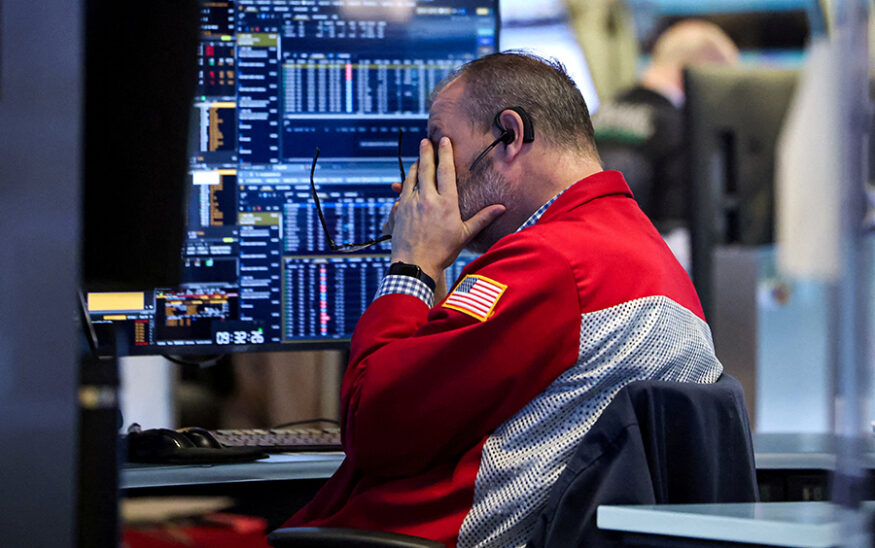
Markets retreat on tariff shock
U.S. stock markets fell hard after President Donald Trump threatened tariffs on imports from eight European countries, a move linked to tensions over U.S. claims tied to Greenland. The Associated Press reported that the S&P 500 dropped 2.1%, the Dow fell 1.8%, and the Nasdaq slid 2.4% in a broad risk-off session that punished technology shares and cyclical sectors.
The AP report described a flight to safety that pushed precious metals higher while pressuring risk assets, reflecting investor concern that tariff escalation could hit corporate profits, raise costs, and weigh on consumer demand. With uncertainty rising, traders appeared to reduce exposure to companies perceived as most vulnerable to supply-chain disruption or international retaliation.
Europe weighs response as policy risk grows
European leaders signaled they were weighing countermeasures, including retaliatory tariffs, as the new U.S. duties were presented as set to begin in February. The episode intensified fears of renewed trade conflict at a moment when many economies are already balancing inflation pressures, slowing growth in some regions, and a shifting interest-rate outlook.
Investors also focused on what higher tariffs could mean for the Federal Reserve’s task of managing inflation and growth. Policy uncertainty can complicate forecasts and raise the odds of sharp market swings, as companies reassess pricing, sourcing, and investment decisions in response to changing trade rules.
From geopolitics to earnings season
The timing of the tariff threat added to market sensitivity as traders looked toward upcoming economic data and corporate earnings for clearer signals about the durability of growth and the path of inflation. The AP report highlighted that the selloff extended beyond tech, affecting financial, retail, and industrial stocks—an indication that investors treated the development as a system-wide risk rather than a narrow industry issue.
In the near term, analysts expect markets to remain reactive to headlines as governments posture and negotiate. For businesses, the key operational question is whether tariff threats translate into durable policy changes or are used as leverage in broader diplomatic bargaining—because the difference determines whether companies can plan around a stable new baseline or must keep hedging against shifting rules.