Trump tariff threat jolts South Korean automakers and currency as markets weigh 25% rate
Stocks in South Korea’s auto sector swung and the won weakened after President Trump said he would raise tariffs on South Korean goods, including autos, to 25%, reopening trade uncertainty and adding volatility for exporters.
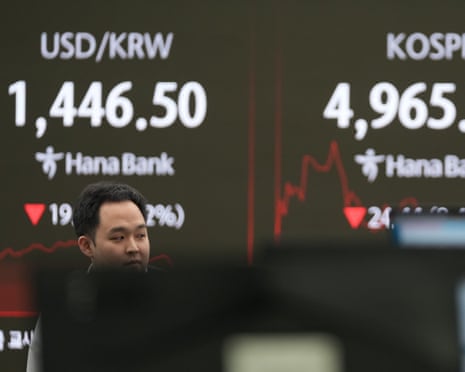
South Korean markets were hit with renewed trade uncertainty Tuesday after President Donald Trump said he would raise tariffs on South Korean goods, including automobiles, to 25% from 15%. The announcement triggered an early drop in shares of major automakers before some of the losses narrowed, while the Korean won weakened as investors tried to assess how quickly the tariff change might take effect and what it could mean for export-driven companies.
In early trading, Hyundai Motor shares fell sharply before recovering to gains, a pattern that suggested the market was pricing in both the headline risk and the possibility that negotiations could soften the final outcome. Kia and Hyundai Mobis also moved lower. Currency markets reacted quickly as well, with the won losing ground against the U.S. dollar—an expected response when trade policy headlines increase uncertainty for a country dependent on U.S. demand for manufactured goods.
The dispute: trade deal claims and political timelines
Trump framed the tariff move as a response to what he described as delays or failures by South Korea’s legislature to follow through on a trade understanding reached in 2025. South Korean officials, meanwhile, have indicated that the arrangement was treated as a memorandum of understanding and have moved to accelerate legislative efforts related to the deal. The gap between how the two sides describe the agreement is now part of the problem: if Washington expects parliamentary action and Seoul argues it is not required, uncertainty can persist even when leaders publicly claim alignment.
That uncertainty matters because tariff changes affect pricing, margins, and competitive strategy for automakers that sell heavily into the United States. If a 25% rate were applied broadly to vehicles or key components, it could pressure profits, shift production plans, and intensify lobbying on both sides. Even if negotiations eventually revert to a lower rate, the period of ambiguity can itself cause damage by delaying investment decisions and complicating supply-chain planning.
What investors will watch
- Whether the U.S. formally sets an effective date and clarifies product coverage (autos, parts, other sectors).
- Whether South Korean officials travel to Washington and secure a negotiated pause or revised terms.
- How automakers update guidance, hedging, and production allocations for the U.S. market.
For now, the market reaction underscores a familiar reality: even the prospect of a tariff change can be enough to move stocks and currencies. Until there is clarity on timing, legal scope, and whether talks can stabilize the relationship, exporters and investors are likely to face continued volatility tied directly to political messaging.