Study finds “unexplained pauses” in many CDC surveillance databases
A research letter reports that nearly half of CDC databases that had been updated at least monthly showed pauses or delays in 2025. The findings raise concerns about weakened real-time health tracking for vaccines, infectious diseases and other public health threats.
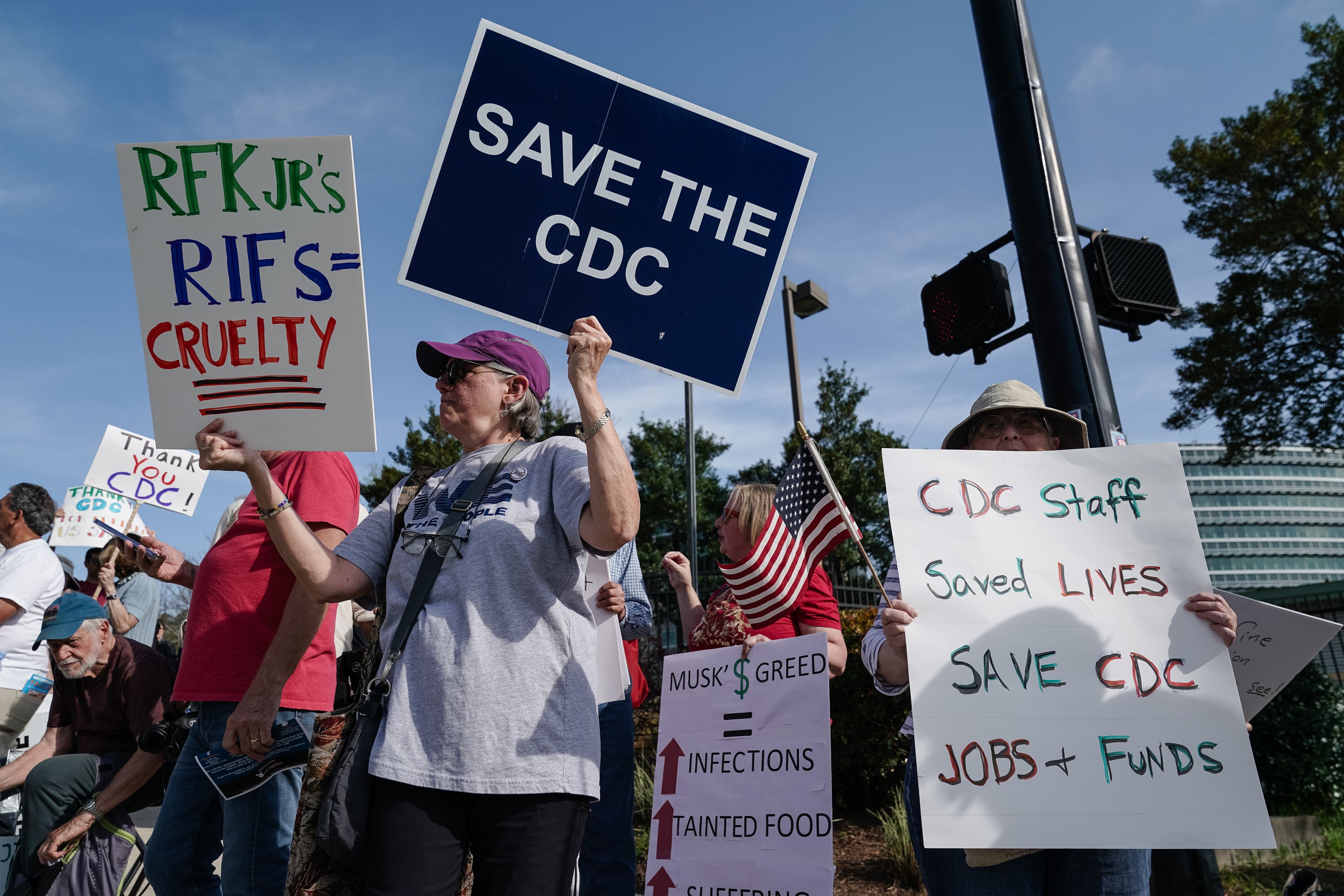
A new analysis published in the Annals of Internal Medicine reports “unexplained pauses” in a significant share of U.S. Centers for Disease Control and Prevention public surveillance databases, suggesting that routine data updates slowed or stopped across multiple systems in 2025.
Researchers audited the CDC public data catalog and focused on databases that previously had been updated at least monthly. Using each system’s stated update cadence (plus a grace period), they classified whether databases appeared current or paused as of late October 2025.
The study found that 38 databases—about 46% of those that met the “monthly-updated” criteria—were paused. Most of the paused systems lacked entries dated within six months of the analysis date, indicating that the disruption was not a brief delay but a sustained break in updating.
A large portion of the paused databases involved vaccination or vaccine-preventable disease tracking, including data streams relevant to seasonal and respiratory threats. Other paused systems involved infectious-disease monitoring and tracking of drug overdose deaths.
Public health specialists warn that when surveillance feeds go stale, it becomes harder to spot outbreaks early, measure whether interventions are working, and communicate clearly with clinicians and communities. Gaps in timely reporting can also fuel confusion and misinformation during fast-moving health events.
The findings add to ongoing debates about transparency and the resilience of national public health infrastructure, especially after years in which Americans have come to rely on near-real-time dashboards to understand evolving risks and to guide personal and policy decisions.