Anger grows after fatal Minneapolis shooting by federal agents as protests spread
A second deadly shooting by federal immigration agents in weeks has triggered nationwide outrage, renewed scrutiny of enforcement tactics, and growing political pressure over funding and accountability.
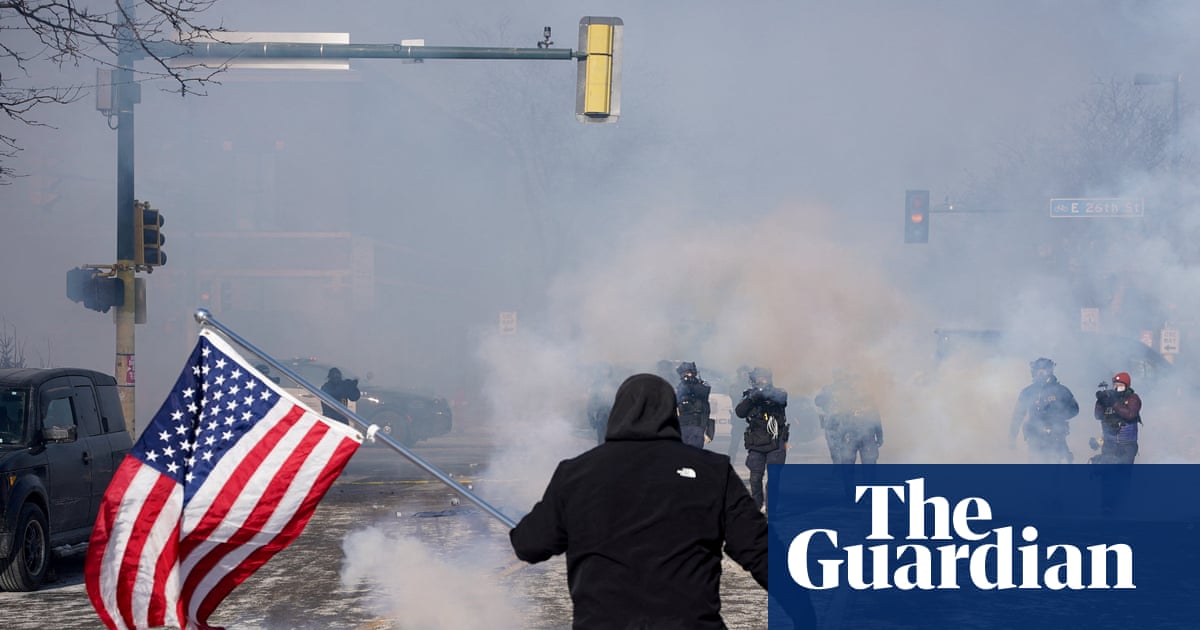
A fatal shooting by U.S. federal agents in Minneapolis has become the latest flashpoint in a widening national dispute over immigration enforcement and the use of force. The incident, involving the death of a 37-year-old nurse, quickly moved beyond a local tragedy and into a political crisis, as protests escalated and lawmakers demanded answers about what happened and what comes next.
Demonstrations surged in multiple cities as videos and witness accounts circulated online. Critics said the circumstances raised urgent questions about whether agents acted appropriately and whether official explanations matched what was visible on the ground. Supporters of the enforcement operation argued that federal officers faced unpredictable threats and should not be judged on partial clips or early reporting.
The episode came amid a broader atmosphere of tension over immigration policy. In recent weeks, enforcement actions in several regions have drawn protests, counterprotests, and sharp exchanges between officials at different levels of government. The Minneapolis case has intensified that friction, with local and state leaders publicly criticizing federal activity while some national officials defended it as necessary.
As the fallout continued, members of Congress signaled that budget battles could become a pressure point. Some lawmakers floated restrictions tied to Department of Homeland Security funding, while others warned that threatening agency budgets could undermine security operations. The struggle highlights a familiar pattern in Washington, but the immediacy of street protests has pushed the issue into a more volatile phase.
The tragedy also intersected with other disruptions, including severe winter weather affecting large parts of the country. With travel delays and emergency response demands mounting, the federal government faced criticism about priorities and messaging, even as officials tried to keep the focus on public safety and stability.
What happens next depends on investigations, public transparency, and whether political leaders can agree on any concrete reforms. For many Americans watching the events unfold, the Minneapolis shooting has become not just another headline, but a test of accountability in a high-stakes area of policy where enforcement decisions can have irreversible consequences.