Massive U.S. winter storm triggers widespread power outages and flight cancellations
A sprawling winter storm sweeping across much of the United States is disrupting travel and utilities, with thousands of flights canceled and large-scale power outages reported as snow, sleet and ice move from the South and Midwest into the Northeast.
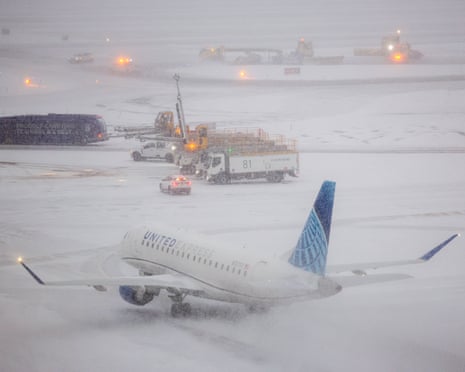
A powerful winter storm spread across large parts of the United States this weekend, bringing heavy snow, sleet and freezing rain that snarled travel, strained power grids and pushed emergency officials to warn residents to stay off roads unless absolutely necessary. Airlines canceled thousands of flights as conditions deteriorated, and some of the nation’s busiest airports saw operations collapse under a mix of de-icing delays, runway closures and cascading crew and aircraft disruptions.
The storm’s footprint has been unusually broad, affecting regions from the southern Rockies and Plains through the Midwest and into the Mid-Atlantic and New England. Forecasters warned of significant snowfall totals in parts of the Northeast, while ice accretion threatened trees and powerlines farther south and west of the snow band—often the most damaging scenario for electrical infrastructure because even modest glaze can bring down lines and snap limbs.
As the system strengthened, reports of power failures rose sharply. Utilities across multiple states said they were dispatching crews where it was safe to do so, but ice and high winds complicated restoration work. Emergency management agencies urged households to prepare for extended outages with heat-safe plans, charged devices, flashlights, food and water, and to avoid using generators or grills indoors because of carbon monoxide risks.
Air travel disruption was one of the most immediate impacts for many Americans. Over the course of the weekend, flight cancellations surged, with tens of thousands of trips affected nationwide. Major carriers issued travel waivers for many airports, allowing customers to rebook without change fees, but the size of the storm and the number of impacted hubs made recovery difficult. Airports in the Northeast and major connecting hubs in the South and Mid-Atlantic were among the hardest hit.
Road conditions also deteriorated quickly as precipitation shifted between snow and freezing rain. State transportation departments reported numerous accidents and highway closures, especially where ice formed first and then additional precipitation reduced visibility. Officials reminded drivers that conditions can vary dramatically over short distances and warned that black ice—thin, nearly invisible ice on roadways—can form even after precipitation ends.
Forecasters said the storm could deliver a prolonged period of hazardous conditions: heavy snow on the northern edge, damaging ice in parts of the central corridor, and extreme cold behind the system. The combination of wind and cold raised the risk of dangerously low wind-chill readings in some areas, which can cause frostbite quickly and add risk for anyone stranded by travel disruptions or power failures.
Local governments opened warming centers in some communities and encouraged residents—particularly seniors and those without stable heating—to seek shelter if temperatures dropped inside their homes. Authorities also emphasized checking on neighbors, stocking vehicles with emergency supplies, and monitoring official alerts for changing conditions, including potential additional rounds of wintry precipitation.