Outrage spreads after fatal federal-agent shooting in Minneapolis as Democrats threaten DHS funding fight
Protests expanded across U.S. cities after an American citizen was fatally shot by federal agents in Minneapolis, with witnesses disputing official claims and Senate Democrats signaling they may block homeland security funding amid rising anger at ICE enforcement tactics.
A second deadly incident fuels a national backlash
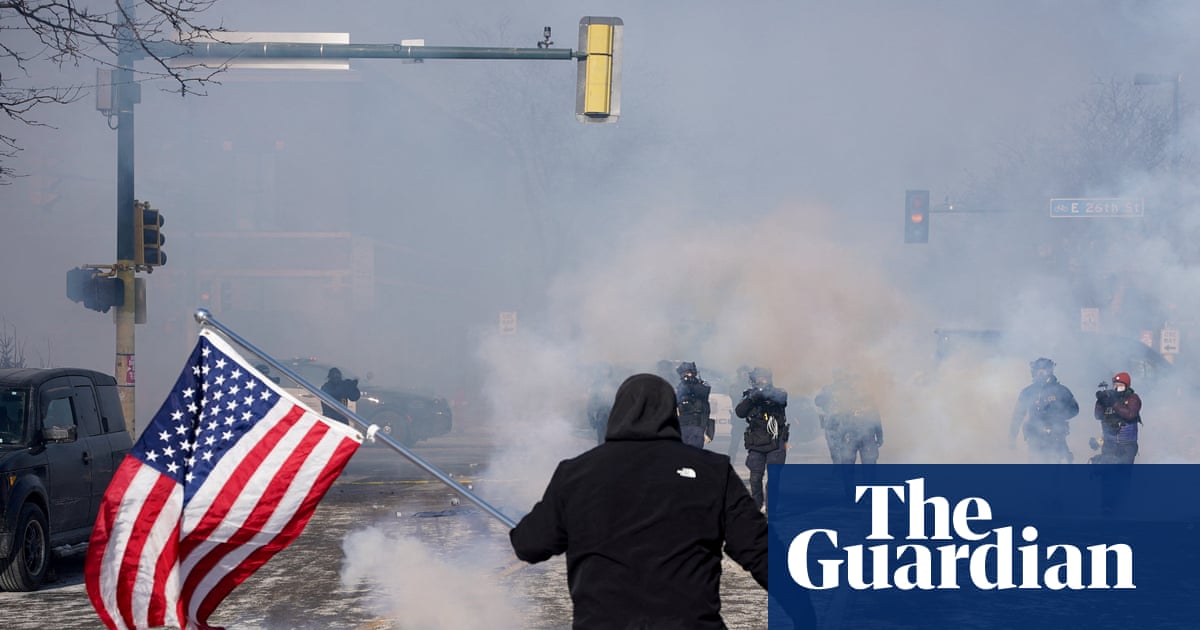
A fatal shooting by federal agents in Minneapolis set off a wave of anger and demonstrations over the weekend, with protesters and elected officials demanding accountability and questioning how federal immigration enforcement is operating in U.S. cities. The incident, described by witnesses and highlighted in circulating video, has become a flashpoint in the broader political argument over the role and tactics of Immigration and Customs Enforcement (ICE) and other federal officers.
The shooting intensified scrutiny because it follows another fatal encounter involving federal officers earlier in the month, and because accounts of what happened have sharply diverged. Witness statements reported by major outlets have challenged the administration’s characterization of the victim as an armed threat, adding pressure on federal agencies to release more details about the events leading up to the gunfire.
Democrats move toward a funding showdown
In Washington, the political fallout escalated quickly. Senate Democrats indicated they could use must-pass funding negotiations to force changes, arguing that homeland security money should come with stronger oversight and consequences if agencies do not change practices they view as dangerous or unlawful. The threat is aimed at the Department of Homeland Security, which oversees immigration enforcement agencies, and is intended to leverage the budget process to compel reforms.
The funding threat is also a reflection of how rapidly the Minneapolis case has become a national story: a local incident now tied to federal policy debates, protest movements, and the question of how the administration is deploying enforcement personnel. Organizers and advocacy groups framed the protests as a response to what they say is a pattern of aggressive operations that endanger bystanders and undermine public trust.
Protests spread beyond Minnesota
Demonstrations were reported in multiple cities, with rallies calling for investigations, changes to enforcement operations, and—among some groups—major structural shifts to immigration policing. Local leaders in Minnesota condemned the killing and called for transparency, while national figures used the case to argue their side of the long-running political fight over immigration, public safety, and federal power.
As pressure builds, attention is likely to focus on what federal agencies release next: body-camera availability, internal reviews, and whether prosecutors or inspectors general open investigations. The immediate political question is whether Congress can translate outrage into concrete constraints on enforcement, or whether the controversy becomes another unresolved partisan clash with protests continuing into the coming weeks.