Protests intensify after another fatal shooting involving federal agents, as winter storms spread disruption
A second fatal shooting by federal agents in a matter of weeks has sparked fresh outrage, protests and political fallout, as officials and activists demand answers and accountability. The protests are unfolding alongside a massive winter storm that is disrupting travel and daily life across large swaths of the U.S.
A shooting that triggered a surge of anger
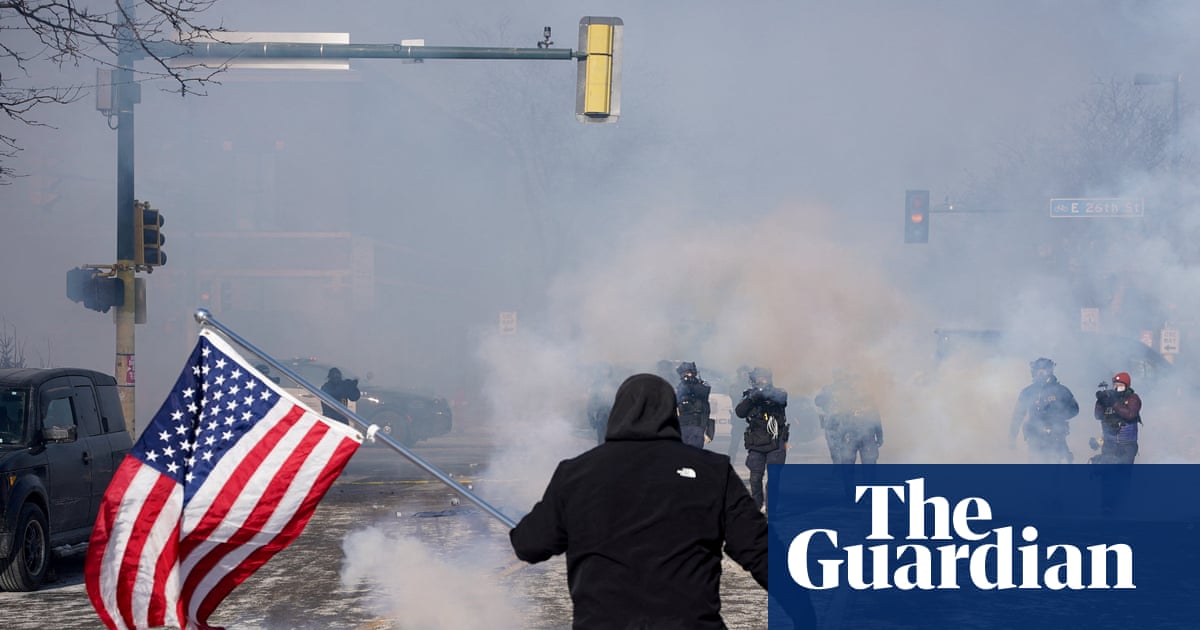
A new wave of demonstrations erupted after federal agents fatally shot Alex Pretti, a 37-year-old nurse in Minneapolis, in an incident that quickly became a national flashpoint. Video circulating online appeared to contradict official claims about the threat level at the moment shots were fired, with critics arguing the footage shows Pretti holding a phone rather than a weapon. The episode has intensified scrutiny of federal immigration enforcement tactics and the rules governing the use of force during operations.
Family members and colleagues described Pretti as a committed healthcare worker who tried to de-escalate a tense situation. Local and state leaders, including Minneapolis Mayor Jacob Frey and Minnesota Governor Tim Walz, condemned the killing and questioned whether federal operations were being conducted with sufficient restraint, oversight, and coordination with local authorities.
Political pressure spreads to Washington
In Washington, the incident became ammunition in a growing fight over the Department of Homeland Security’s budget and the role of Immigration and Customs Enforcement (ICE). Senate Democrats signaled they could use funding leverage to force changes, arguing that repeated lethal encounters demand more than internal reviews or standard after-action reports. Republicans and administration allies countered that officers face volatile situations and that rhetoric calling to abolish ICE risks undermining enforcement.
Advocacy groups framed the killing as part of a broader pattern, linking it to earlier deadly incidents involving federal agents and calling for independent investigations, public release of body-camera footage and dispatch logs where applicable, and clearer operational guardrails. Protest organizers also pushed state and municipal leaders to limit cooperation with federal actions they describe as destabilizing for communities.
Compounding strain: a major winter storm
As demonstrations expanded, a sprawling winter storm continued to move across the country, disrupting travel, closing schools and stressing emergency services in many regions. The overlap of severe weather and large public gatherings has raised safety concerns for cities managing crowd control, medical response, and transit reliability.
The next few days are expected to bring continued protests, a louder national debate over federal enforcement authority, and renewed demands for transparency around how agents are trained, deployed and supervised—especially in densely populated metropolitan areas.