Winter Storm Fern barrels across the U.S., triggering mass cancellations and widespread emergency declarations
A major winter system dubbed Winter Storm Fern is disrupting travel and daily life across a wide swath of the United States, as governors issue emergency declarations and airlines cancel thousands of flights. Forecasts call for heavy snow, damaging ice and plunging temperatures, with officials warning that outages and dangerous road conditions could linger even after the storm’s core passes.
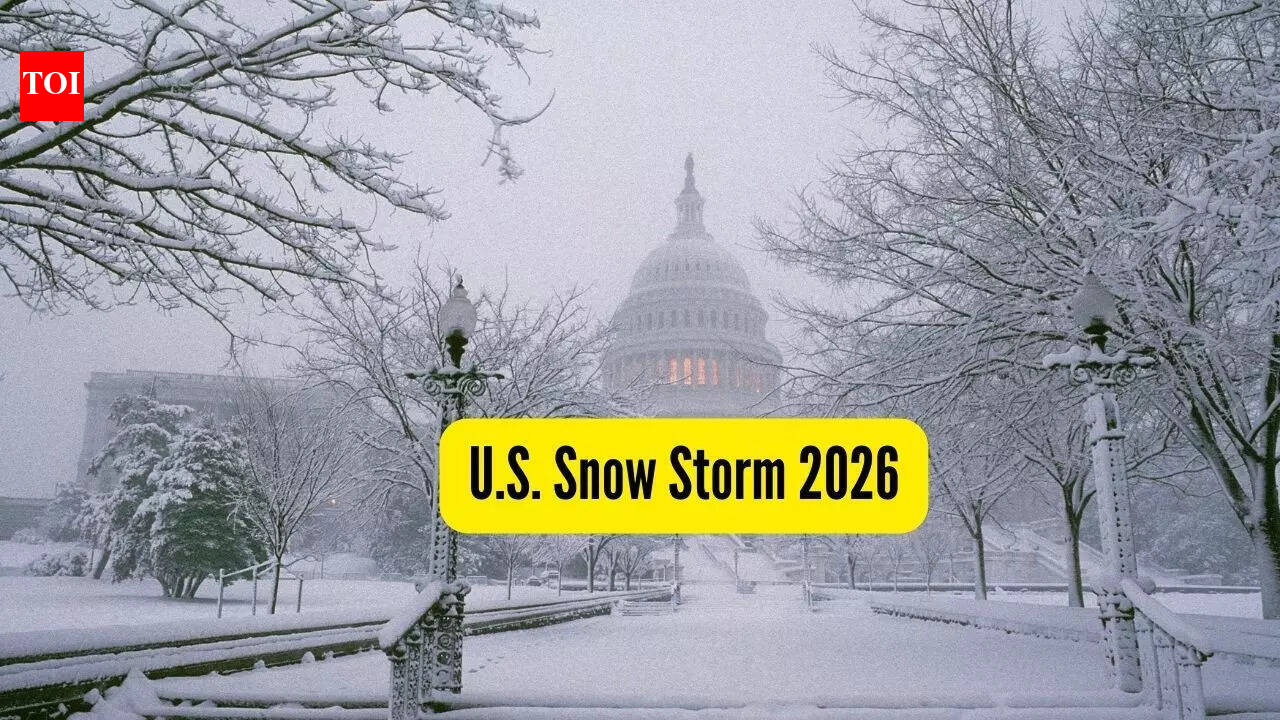
A sprawling storm with nationwide knock-on effects
Winter Storm Fern is moving through the United States during the January 23–26, 2026 window, bringing a mix of heavy snow, freezing rain, and bitter Arctic air. The storm’s breadth matters almost as much as its intensity: it’s the kind of system that doesn’t just close a few roads, but instead strains airports, power grids, rail service, and emergency response across multiple regions at once.
State and local officials have urged residents to avoid unnecessary travel, prepare for prolonged outages, and keep a close eye on rapidly changing forecasts—especially in areas where temperatures hover near freezing and small shifts can flip a rain forecast to an ice event.
Travel disruptions mount as airlines and rail systems scramble
Travel disruptions have been a defining feature of the storm. Flight cancellations surged over the weekend as airlines repositioned crews and aircraft to keep operations from cascading into broader network failures. In parallel, winter driving conditions have turned hazardous in many places, with officials warning that ice can be more dangerous than snow because it can create near-invisible slick surfaces on highways, bridges, and untreated local roads.
The disruptions have also spilled into passenger rail and local transit, where schedule reductions, rolling delays, and occasional cancellations can ripple through commuting patterns and local commerce—particularly when road conditions prevent staff from reporting or when power issues affect signaling and station operations.
Power outages, emergency declarations, and the aftermath
As the storm intensifies, emergency declarations and winter weather alerts have been issued across a large portion of the country. The combination of heavy, wet snow and ice accretion can weigh down trees and power lines, increasing the risk of widespread outages. Even after the last bands of precipitation move through, the danger may persist: overnight refreezing can keep roads treacherous, and restoration crews often face slow work when conditions remain icy or winds are high.
Forecasters and emergency managers have emphasized that preparedness steps—charging devices, stocking basic supplies, and checking on neighbors who may be vulnerable—can reduce risks during multi-day winter events. For travelers, officials advise monitoring airline alerts and local highway conditions rather than relying on a single forecast issued hours earlier, since storm tracks and precipitation types can shift quickly.