Winter Storm Fern paralyzes U.S. travel as airlines cancel thousands of flights and officials warn of dangerous ice and cold
A sprawling winter storm delivering snow, sleet, and freezing rain from the South to the Northeast triggered widespread flight cancellations and pushed airports, road crews, and emergency managers into high-alert mode on Sunday, Jan. 25, 2026.
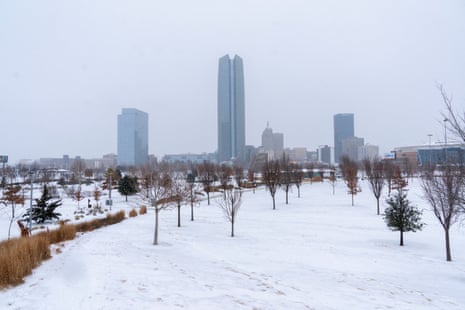
A brutal travel day across a wide swath of the U.S.
A massive winter system—widely referred to as Winter Storm Fern—spread disruptive snow, sleet, and freezing rain across much of the United States on Sunday, January 25, 2026, hammering travel and forcing airlines to cancel flights at a scale rarely seen outside peak crisis periods. Airports from the South and Mid-Atlantic to the Northeast faced long lines, rebooking bottlenecks, and rapidly changing runway conditions as the storm’s mix of precipitation shifted by region and hour.
Air travel absorbed some of the clearest impacts. Airlines cut schedules deeply as conditions deteriorated, with major hubs reporting heavy cancellations and cascading delays. With crews and aircraft out of position, the disruption became self-reinforcing: even airports outside the storm’s core faced knock-on delays as inbound aircraft and connecting passengers failed to arrive.
Airlines, airports, and consumer rights
Carriers urged travelers to check flight status frequently, use mobile apps to rebook when possible, and avoid arriving at airports without confirmed departures. Consumer advocates also reminded passengers that U.S. rules require airlines to provide refunds when flights are canceled, including for nonrefundable tickets, if a traveler chooses not to accept rebooking.
Beyond aviation, the storm’s footprint created widespread ground hazards: icy roads, poor visibility, and cold-related risks in areas unused to prolonged freezing conditions. Emergency planners in multiple states urged drivers to postpone trips, keep supplies in vehicles, and monitor local alerts as forecasts evolved.
What happens next
Forecasters expected the storm’s impacts to continue as cold air lingered and precipitation bands pushed eastward. Even after snowfall ends, hard freezes can keep roads slick and delay cleanup operations, while airlines may need additional time to reposition equipment and crews. Travelers with near-term plans were advised to build in extra time, confirm hotel flexibility, and consider alternate routes if ground travel is safer than air—depending on local conditions.