Winter Storm Fern spreads disruption across the U.S., with warnings, outages and travel chaos
A sprawling winter system dubbed Winter Storm Fern is hammering large parts of the United States with snow, ice and bitter cold, triggering emergency steps in multiple states and widespread travel disruptions. Airlines have canceled thousands of flights, road conditions have deteriorated, and utilities are bracing for more outages as the storm pushes east.
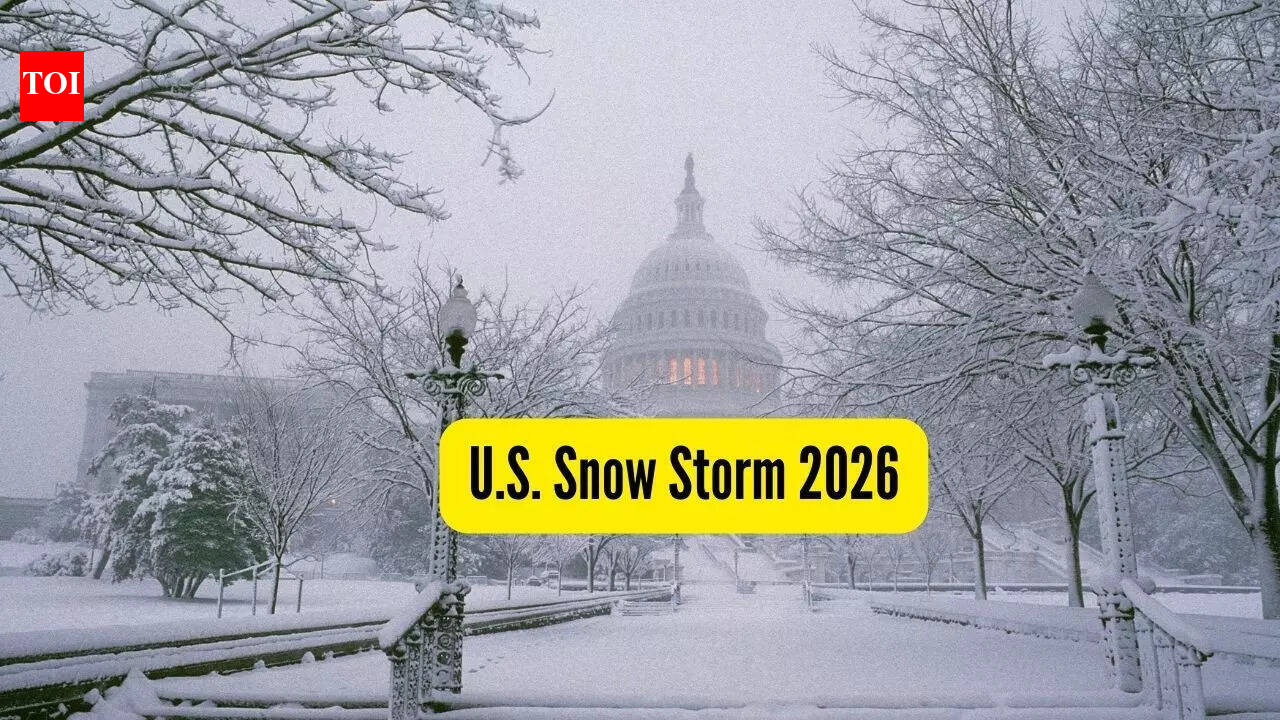
Winter Storm Fern is sweeping across the United States, bringing a mix of heavy snow, ice and plunging temperatures that forecasters warn could linger and intensify in pockets as the system tracks from the Southern Plains toward the Northeast. The storm’s footprint is huge, and the compounding impacts—dangerous roads, flight cancellations, power interruptions and school or business closures—are unfolding in waves as the storm advances.
Travel has been among the most immediate pressure points. Airlines have scrubbed large numbers of departures and arrivals as airports cycle through de-icing backlogs and weather-related ground stops. Even where runways remain open, ripple effects can quickly spread across the national network, leaving stranded passengers to rebook as conditions change hour by hour.
On the ground, drivers are being urged to avoid non-essential trips in areas facing freezing rain or rapid temperature drops that can turn wet pavement into black ice. Local and state agencies have been ramping up road treatment and towing support, while emergency managers emphasize that conditions can deteriorate quickly once ice begins to accrete on overpasses and untreated surfaces.
Utilities are also on alert. Ice loads on tree limbs and power lines can lead to scattered outages, and high demand for home heating can strain local systems during the coldest stretches. Officials are encouraging residents to check on neighbors, keep phones charged, and prepare for the possibility of intermittent service interruptions, particularly in areas where ice and wind overlap.
Meteorologists say a key risk is the storm’s ability to deliver multiple hazards at once: heavy snowfall in some corridors, freezing rain in transition zones, and strong winds in others. That combination can make travel and restoration work more complicated than a single-mode storm, because crews must navigate unsafe road conditions while dealing with ice-coated infrastructure.
As Fern continues east, the pattern of disruptions is expected to migrate with it. Residents in the storm’s projected path are being advised to monitor local alerts, keep emergency supplies handy and plan ahead for potential delays to commuting, deliveries and public services. Forecasters stress that small shifts in the storm track can change which communities see snow versus significant ice, and that difference can determine the severity of local impacts.