Timberwolves and Warriors return amid Minneapolis grief after shooting, protests
Minnesota’s NBA team returned to the court in a subdued atmosphere after a game was postponed in the wake of the fatal shooting of an ICU nurse, Alex Pretti, during a confrontation involving a federal officer. Coaches, players and fans described a city struggling to focus on basketball as protests and a broader immigration crackdown dominated local life.
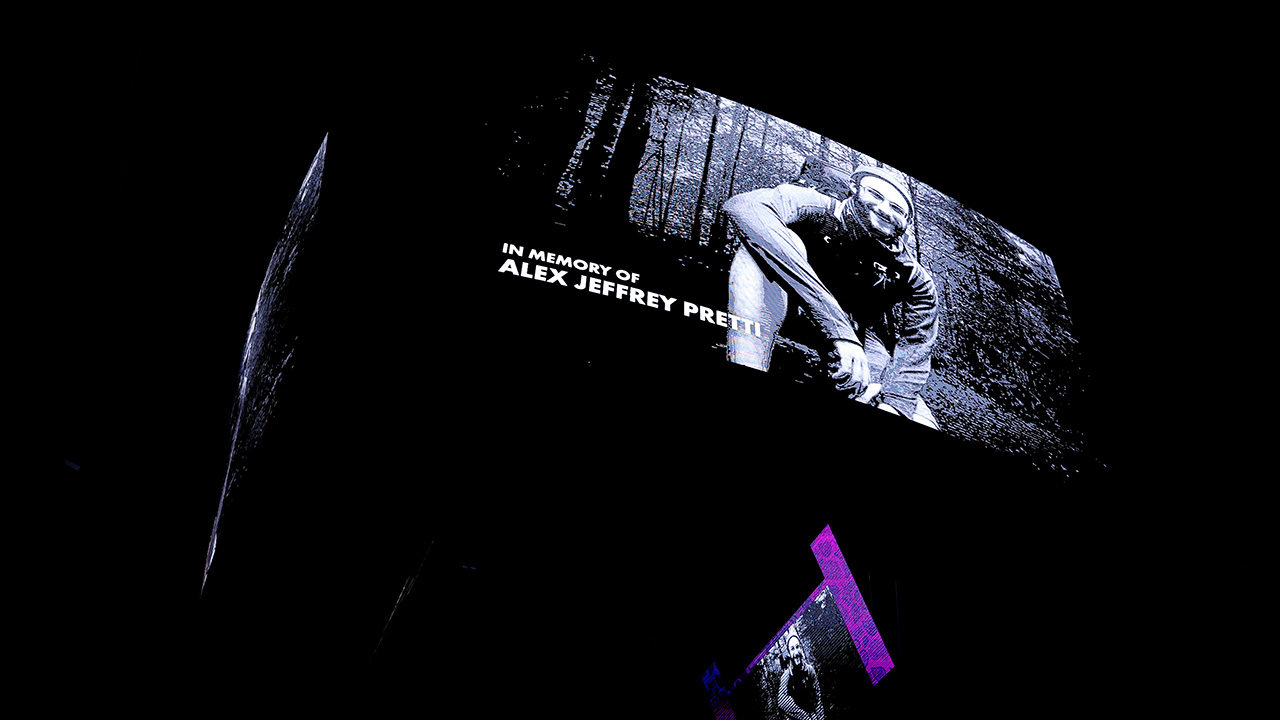
MINNEAPOLIS — The Minnesota Timberwolves played again after a 24-hour postponement, but the arena felt heavier than a typical January night. Players from both teams described a community in shock, and coaches acknowledged that the normal rhythms of competition were difficult to summon with a city preoccupied by grief and anger.
The delay came after the fatal shooting of 37-year-old Alex Pretti, an intensive care unit nurse, during a confrontation involving a federal officer. The incident unfolded amid heightened tensions over immigration enforcement in the region, and it quickly became a focal point for demonstrations and calls for accountability.
Golden State coach Steve Kerr said the mood inside the building was unusually somber, describing the night as emotionally disorienting even for seasoned professionals. Minnesota coach Chris Finch, speaking before tipoff, struggled to maintain his usual composure, saying the pain in the city and the fear many residents were feeling had filtered directly into the team’s locker room.
Minnesota held a moment of silence for Pretti prior to the national anthem, a gesture meant to recognize the loss rather than attempt to separate sports from the public moment. Finch later said it simply did not feel appropriate to proceed on schedule, and he thanked the league and Golden State for supporting the postponement.
Outside the arena, large protests continued, and the unrest influenced the game’s context even as the contest itself played out. Players and staff said they could sense that many fans arrived looking for a brief distraction, only to find the weight of the city’s mood still present in the stands.
The broader national conversation about immigration enforcement and public safety has also entered the sports world, with athletes, fans and organizations increasingly speaking publicly about community impacts. The NBA players’ union issued support for demonstrators, and the atmosphere around the Timberwolves has reflected the larger civic strain.
The Timberwolves’ performance, coaches suggested, was less about tactics and more about the challenge of competing while processing a collective trauma. As the city seeks answers and debates next steps, the team’s return to the court served as a reminder that civic crises do not pause at the arena doors.