Minnesota backlash forces rethink of federal immigration surge after ICU nurse’s killing
Outrage over the killing of 37-year-old ICU nurse Alex Pretti in Minneapolis is pushing the White House to scale back a federal enforcement surge, as local leaders demand accountability and transparency over the operation and its rules of engagement.
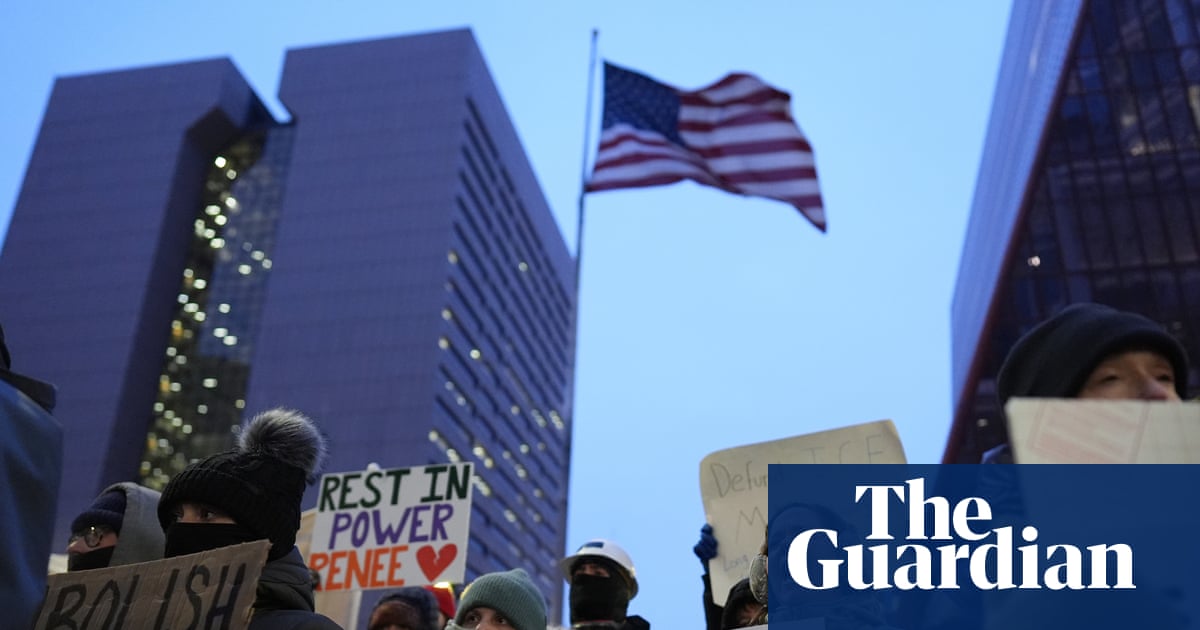
The political temperature in Minnesota rose again Tuesday as the fallout from the death of Alex Pretti, a 37-year-old ICU nurse, continued to reshape the Trump administration’s immigration enforcement posture. The killing, which occurred during a heavily criticized federal push in Minneapolis, has become a flashpoint for national debate over civil liberties, use of force and the scope of federal power in local policing environments.
Officials in Minneapolis signaled that the city has been pressing for answers about how federal agents are operating, how evidence is being handled and why early public descriptions of the incident do not appear to match video shared by witnesses. The controversy has widened beyond one incident: the enforcement surge itself—described by critics as a quasi-occupation—has been challenged in court and condemned by community groups who say it has destabilized neighborhoods and increased the risk of confrontation.
What changed this week
By late Monday and into Tuesday, pressure on Washington and federal agencies intensified. Minneapolis Mayor Jacob Frey said some federal agents would begin to leave the city, a partial retreat that reflects how quickly public anger has forced a reassessment of the operation’s footprint. The announcement came as criticism spread across ideological lines, with some Republican figures also questioning whether the surge has been carried out in a way that protects public safety and basic rights.
The dispute has also become a test of transparency. City and state leaders have pushed for clearer timelines, independent review of footage and communications, and a more detailed explanation of the legal authority being used to justify the deployment. Civil rights advocates argue that any large enforcement presence should come with strict oversight, especially where officers are interacting with residents during protests and crowded street encounters.
Broader stakes beyond Minneapolis
The Minneapolis episode is now feeding into larger national arguments about immigration enforcement strategy, federalism and accountability. Critics say the operations create unnecessary friction by concentrating tactical activity in urban centers, while supporters argue the federal government is enforcing immigration law in jurisdictions they claim do not cooperate sufficiently.
But the death of a health care worker—especially one described as trying to document events—has altered the calculus for many observers. Even among officials who typically back tough enforcement measures, the political cost of being associated with the incident is rising. That dynamic helps explain why city officials are speaking more openly about the need for de-escalation and why the White House is being portrayed as moving toward a pullback.
What to watch next
- Whether withdrawals are temporary or represent a formal end to the surge strategy in Minnesota.
- How investigators handle competing accounts and whether additional video evidence is released publicly.
- Whether Congress or courts impose new constraints on federal deployments and use-of-force reporting.
For Minneapolis residents, the immediate question is practical: will the reduction in federal presence lower tensions on the streets? For national politics, the question is strategic: can the administration preserve its enforcement goals while responding to demands for accountability after a killing that has become a symbol of the risks of aggressive tactics.