Outrage grows in Minnesota after fatal ICE shooting as White House signals pullback
The Trump administration is under intensifying pressure after the killing of Alex Pretti in Minneapolis, with city leaders saying the federal surge will begin to scale back while calls for accountability mount.
Why this story dominates the U.S. news cycle
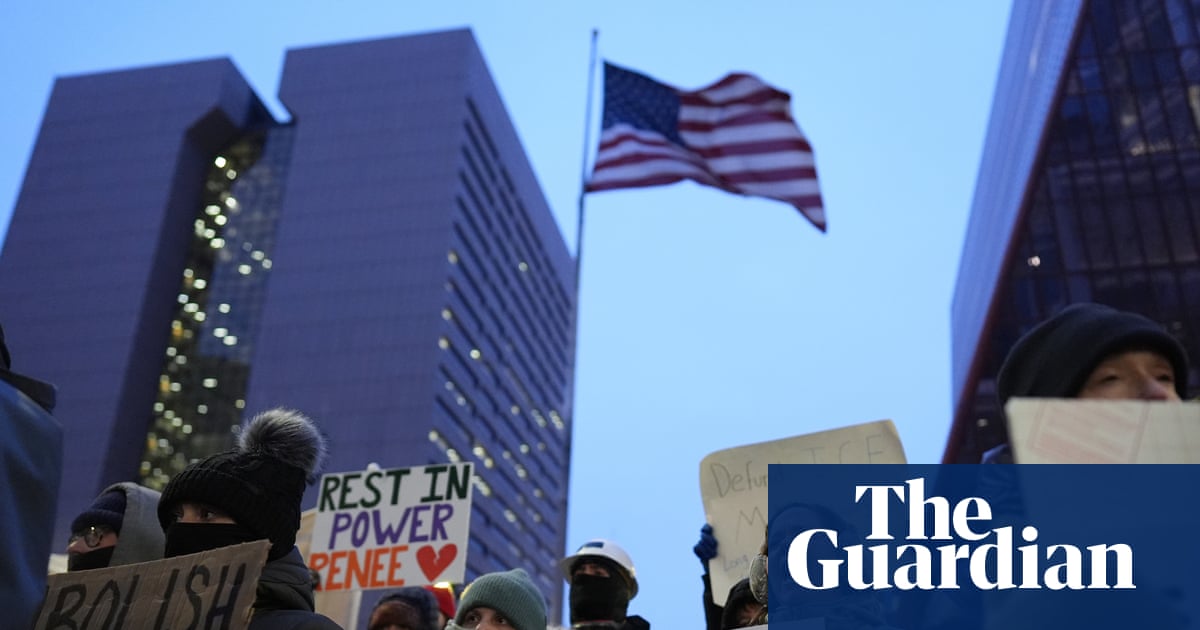
The national spotlight remained fixed on Minnesota on Monday and into Tuesday, January 27, 2026, after federal immigration agents fatally shot Alex Pretti, a 37-year-old VA nurse, during the Trump administration’s stepped-up enforcement push in Minneapolis. The incident, along with the earlier killing of Renee Good during a confrontation with federal officers, has triggered protests, legal scrutiny, and a widening political backlash.
According to Minneapolis Mayor Jacob Frey, the administration told city leadership it would begin scaling back the number of federal agents in Minneapolis starting Tuesday. Frey said he planned to meet with Tom Homan—described by the White House as the president’s “border czar”—to discuss “next steps” and what any reduction in the federal presence will look like in practice.
The White House shifts tone, but not the policy
President Trump said his administration was reviewing the shooting, a notable change from earlier, hardline rhetoric that framed the unrest as justification for a stronger crackdown. Even with the revised messaging, there has been no indication the administration intends to end aggressive enforcement tactics, and the larger immigration strategy remains in place.
As part of the fallout, a federal judge heard arguments on Monday about whether to end or limit the federal officer surge in Minneapolis. A ruling was not expected immediately, leaving local officials and protesters facing uncertainty about whether the federal operation will be curtailed by the courts, by the administration, or not at all.
Calls for accountability expand across the political spectrum
The administration’s handling of the shootings has drawn criticism from multiple directions. Minnesota leaders condemned federal officials’ descriptions of the incident as misleading. Separately, even typically conservative voices weighed in after remarks from a Trump-appointed prosecutor suggested armed protest could create circumstances in which shootings might be “legally justified,” a framing that fueled anger and suspicion among critics.
The pressure is also reshaping state politics: a prominent Republican candidate for Minnesota governor withdrew from the race, sharply criticizing what he described as federal “retribution” against the state amid the enforcement surge. That decision underscored how the confrontation in Minneapolis is spilling into campaigns and party coalitions beyond Minnesota.
What to watch next
- Whether the federal pullback described by Minneapolis officials actually materializes, and on what timeline.
- The outcome of the federal court challenge seeking to limit or end the agent surge.
- Any formal investigations or disciplinary action tied to the shootings, and whether accountability extends beyond public statements.