Winter storm leaves widespread outages and a rising death toll across the U.S.
A sprawling winter system has battered large swaths of the United States with ice, snow, and bitter cold, leaving hundreds of thousands without power and authorities reporting dozens of deaths as crews race to restore electricity and keep residents warm.
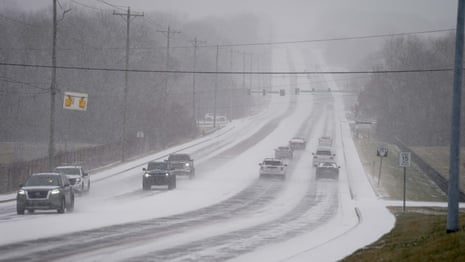
A storm with national-scale impacts
A powerful late-January winter storm has pushed extreme conditions across parts of the South and Northeast, combining heavy snow, sleet, and damaging ice. Officials in multiple states have opened warming shelters and urged residents to limit travel as utility crews work through hazardous conditions to restore service.
The storm’s reach has been broad, affecting daily life from road travel to emergency response. Communities dealing with freezing temperatures have faced additional risks when homes lose heat, particularly in areas where buildings are not designed for prolonged cold.
Power outages and restoration timelines
At the height of the storm’s impact, more than half a million customers were reported without power, with some states seeing especially heavy outage totals. Ice accumulation weighed down lines and damaged trees, making repairs slower and more dangerous for crews.
In several hard-hit communities, officials warned that full restoration could take days, and in some cases longer, as damage assessments and repairs continue. Utilities have staged additional crews and equipment, but ice and road conditions can limit access to the worst-hit areas.
Deaths and emergency responses
Authorities have linked at least dozens of deaths to the storm’s effects, including crashes on icy roads and fatalities tied to cold exposure. Emergency teams have responded to stranded motorists, power-loss welfare checks, and weather-related medical calls.
Local and state agencies have emphasized safe heating practices to prevent carbon monoxide poisoning, and many jurisdictions expanded shelter capacity for residents without reliable heat.
What officials are urging now
- Avoid nonessential travel while roads remain icy or unplowed.
- Use generators outdoors only and away from windows to prevent carbon monoxide exposure.
- Check on neighbors, older adults, and people with medical devices that require electricity.
- Keep phones charged and maintain a basic emergency kit with water, blankets, and flashlights.
As the system moves east and conditions gradually improve in some areas, officials warn that refreezing at night can keep roads and sidewalks dangerous. Utilities and emergency managers continue to coordinate to restore service and reduce risk in the coldest areas.