Anti-ICE protests surge after Minneapolis shooting, intensifying pressure on federal enforcement tactics
Demonstrations against U.S. immigration enforcement intensified after a fatal shooting in Minneapolis, with protests spreading to multiple cities and lawmakers facing new pressure over oversight and funding. The controversy has centered on allegations of excessive force and demands for accountability, while officials brace for continued unrest.
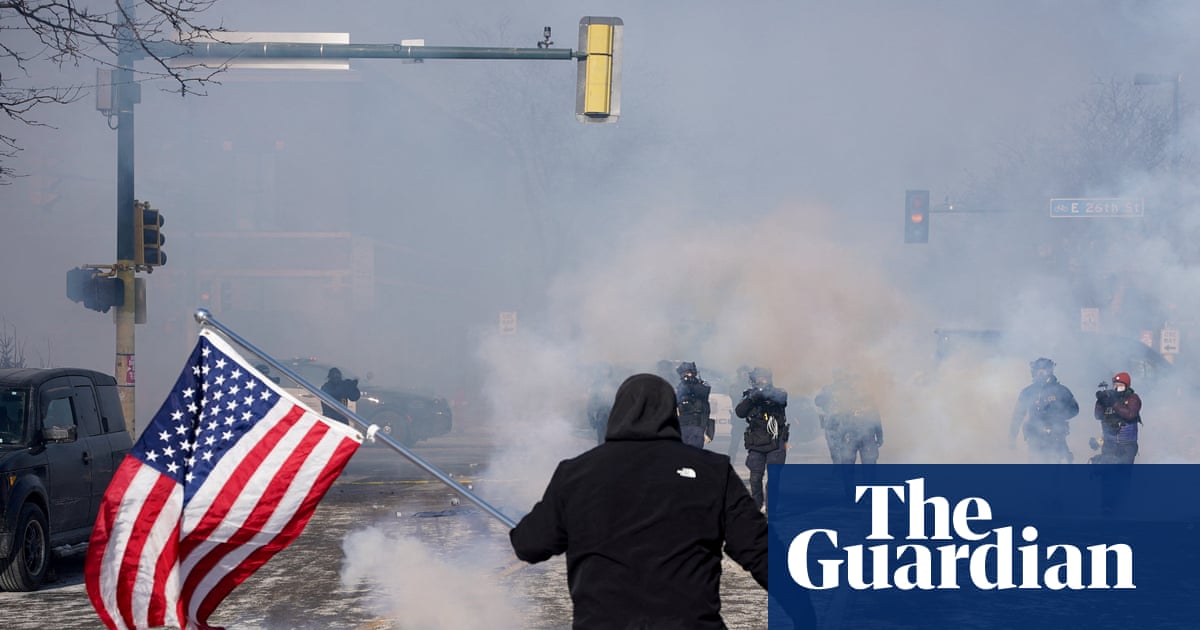
A shooting becomes a national flashpoint
Protests against U.S. Immigration and Customs Enforcement (ICE) escalated after the fatal shooting of Alex Pretti, a 37-year-old nurse in Minneapolis, in an incident involving federal officers. The death—reported as the second fatal shooting by federal agents in recent weeks—triggered demonstrations that quickly expanded beyond Minnesota, reflecting broader anger over enforcement tactics and the perceived lack of transparency around use-of-force incidents.
Organizers and advocates say the protests are about more than one episode: they argue that aggressive operations and detention practices have produced fear in immigrant communities and have increased the risk of confrontation. Supporters of stricter enforcement, however, argue that federal agencies must maintain the authority and operational flexibility to conduct arrests and investigations, especially when officers believe a situation may become dangerous.
Political pressure grows over oversight and funding
The unrest has raised the stakes for elected officials, who are being pushed to respond with hearings, investigations, and clearer standards governing federal operations. In Washington, lawmakers have debated whether funding and authorities should be conditioned on stronger reporting requirements and independent review of serious incidents. In affected cities, local leaders have also faced pressure to clarify how municipal services—police, emergency responders, and public facilities—interact with federal agencies during operations and protests.
The immediate challenge for officials is balancing public safety during mass demonstrations with civil liberties, particularly when crowds gather near federal buildings or when federal officers operate in dense urban environments. Legal experts note that flashpoints often arise from disputed facts—what officers believed in the moment versus what later evidence shows—and that credibility can be damaged quickly if early statements conflict with video or eyewitness accounts.
What comes next
With protests continuing, attention has turned to whether federal agencies will change operational posture, release more detailed information, or accept outside review. Community leaders are urging de-escalation and clearer communication, while activists are calling for structural changes, including constraints on raids and detention and, in some cases, abolition of ICE.
For now, the political trajectory appears tied to two questions: whether additional incidents occur during heightened enforcement activity, and whether public documentation—body-camera footage, third-party videos, and investigative reporting—supports or undermines official accounts of recent confrontations.