Pam Bondi draws backlash after seeking Minnesota voter-roll and benefits data amid immigration clash
Attorney General Pam Bondi has faced heavy criticism after sending Minnesota Gov. Tim Walz a demand for access to voter rolls and public-assistance records, framed by critics as coercive amid disputes over federal immigration enforcement. The Justice Department has argued it is seeking compliance and accuracy, while opponents say the request is unlawful and intimidates voters.
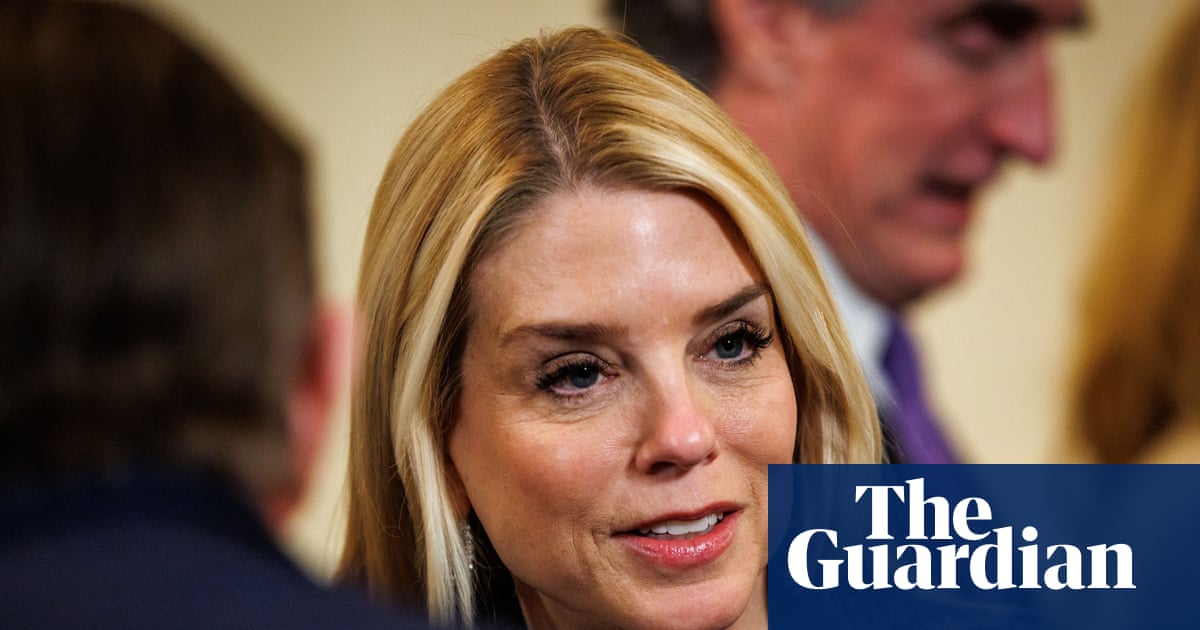
Bondi’s demand letter escalates a federal-state standoff
A new flare-up in the Minnesota-federal government conflict over immigration enforcement is now colliding with voting administration. The Guardian reported that U.S. Attorney General Pam Bondi has faced backlash for demanding access to Minnesota’s voter rolls, as well as data on people receiving public assistance, in correspondence to Gov. Tim Walz. ([theguardian.com](https://www.theguardian.com/us-news/2026/jan/26/pam-bondi-minnesota-voter-rolls-ice-surge?utm_source=openai))
According to the report, critics — including legal and voting-rights experts cited by the paper — described the request as coercive and potentially unlawful, arguing it resembles an attempt to pressure state officials by tying sensitive records to broader federal priorities. The Justice Department’s position, as described by The Guardian, is that it seeks the information to confirm compliance and voter-roll accuracy, but opponents dispute that rationale and question the underlying evidence base. ([theguardian.com](https://www.theguardian.com/us-news/2026/jan/26/pam-bondi-minnesota-voter-rolls-ice-surge?utm_source=openai))
Why the request is politically explosive
Voter rolls and public-benefits databases contain highly sensitive personal information, and state election systems operate under a complex patchwork of federal and state rules. Requests for broad access can be framed as oversight — or as intimidation — depending on legal justification, scope and timing. In a climate already charged by immigration enforcement disputes, the data demand is likely to deepen mistrust between state officials and Washington, and it may invite rapid legal challenges or legislative pushback.
Minnesota officials will likely weigh whether and how to respond while trying to protect privacy and preserve control of state-run systems. Meanwhile, national observers will watch whether the controversy becomes a template for similar demands in other states, or whether courts constrain such efforts as prior disputes over federal voting-related lawsuits continue to play out. ([theguardian.com](https://www.theguardian.com/us-news/2026/jan/26/pam-bondi-minnesota-voter-rolls-ice-surge?utm_source=openai))
Key questions moving forward
- What legal authority is cited for access to the specific datasets requested?
- Would any sharing be limited, anonymized, or subject to strict data-use agreements?
- Does the request trigger litigation over privacy, election administration or federal overreach?
- How might the dispute affect voter confidence and state-federal cooperation more broadly?