Calls grow to remove top homeland security officials after Minneapolis shooting
US political pressure is intensifying for leadership changes at the Department of Homeland Security as lawmakers and city leaders demand accountability after the killing of Alex Pretti during a federal immigration operation in Minneapolis.
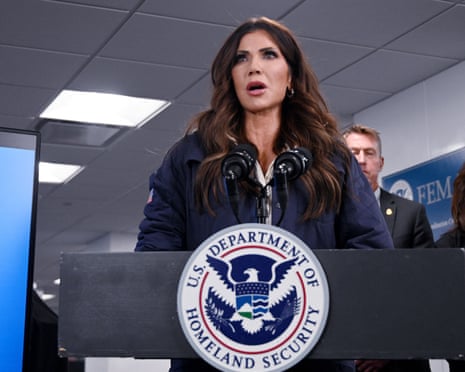
Pressure in Washington is escalating as Democratic lawmakers and some cross-partisan voices demand accountability following the killing of Alex Pretti in Minneapolis during a federal immigration operation. The incident has accelerated calls for senior Department of Homeland Security leadership changes and has reignited arguments over the boundaries of federal power when enforcement surges collide with local governance.
The Minneapolis case has become politically combustible because it combines several elements: a large-scale federal deployment, a high-profile death, and contested accounts of what happened. Officials and advocates point to witness video and public reporting that appear to conflict with early official characterizations, adding momentum to demands for resignations, firings, and independent scrutiny. The episode is also intertwined with broader controversies about aggressive enforcement tactics and the way federal agencies communicate after use-of-force incidents.
Leadership and oversight in the spotlight
A central thread in the political reaction is whether the department’s leaders set a tone that encourages confrontation rather than de-escalation. Lawmakers have argued that the federal response has been insufficient and that accountability must extend beyond individual agents to the policies and commanders responsible for rules of engagement, discipline, and transparency. That is why the debate is not limited to Minneapolis; it is about what the enforcement model signals for other cities where similar deployments could occur.
The controversy is also creating new points of friction between federal agencies and city officials. Local leaders want clear answers about operational authority, evidence access, and the standards used to evaluate agent conduct. At the same time, the administration faces political pressure from supporters who want enforcement intensified, not scaled back, increasing the stakes of any policy shift.
Why this moment matters for national politics
Immigration enforcement has been one of the defining issues of the Trump administration’s approach, and the Minneapolis shooting is forcing a reassessment of how that approach is implemented on the ground. As calls grow for leadership changes, the administration must decide whether to defend its top officials, restructure command roles, or publicly tighten rules and oversight mechanisms to reduce the likelihood of repeat incidents.
Possible next steps lawmakers may pursue
- Demanding expanded documentation and public reporting on deployments and use-of-force incidents.
- Pushing for hearings or investigative inquiries focused on leadership decisions and operational planning.
- Linking future DHS funding to stricter oversight requirements and compliance benchmarks.
The political outcome may hinge on what additional evidence becomes public and whether the administration’s partial pullback is viewed as a corrective action or a tactical pause. Either way, Minneapolis is now shaping the national argument about enforcement, accountability, and the limits of federal authority in local public-safety crises.