Pressure grows on DHS chief Kristi Noem after Minneapolis shooting as Border Patrol commander exits city
U.S. political fallout intensified after the killing of Alex Pretti in Minneapolis, with fresh calls for accountability inside the Trump administration and reports that a prominent Border Patrol commander will leave the city.
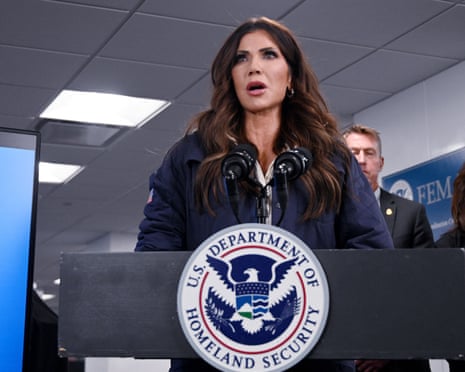
A local death becomes a national political crisis
Political pressure intensified in Washington as outrage continued over the killing of Alex Pretti in Minneapolis during an immigration enforcement operation. Critics of the administration’s approach to immigration enforcement said the incident exposed serious failures in oversight and accountability, while supporters argued federal authorities were responding to public-safety concerns. The dispute broadened into a high-profile test of how the administration will handle enforcement controversies that spill into major U.S. cities.
On January 27, 2026, The Guardian’s U.S. politics coverage highlighted escalating calls to remove Homeland Security Secretary Kristi Noem, along with reporting that Gregory Bovino, a Border Patrol figure associated with aggressive enforcement tactics, was expected to leave Minneapolis. The developments added urgency to questions about the chain of command, the rules of engagement used during operations, and whether federal agencies will face greater constraints or reforms.
Competing narratives and accountability demands
Democrats and civil liberties advocates framed the death as evidence of excessive force and a breakdown in safeguards. Some lawmakers urged stronger federal scrutiny, including investigations and potential disciplinary action, arguing that personnel changes alone do not address systemic issues. The administration, meanwhile, has defended its broader enforcement posture, signaling limited appetite for pulling back from its crackdown even as it manages political risk.
The issue has also intensified public protests and amplified calls from local officials and community leaders for reduced federal presence. The Minneapolis case sits within a wider debate about how immigration enforcement is carried out, how operations intersect with local policing, and what transparency standards apply when incidents involve fatal force.
What comes next
- Whether DHS announces formal reviews, policy changes, or personnel actions beyond leadership reshuffles.
- How Congress responds, including hearings, funding conditions, or impeachment-related pressure campaigns.
- Whether federal agencies change operational protocols in cities amid public backlash.
For now, the political impact continues to grow: the Minneapolis shooting has become a national flashpoint that merges immigration policy, civil liberties, and the administration’s governing approach—issues likely to shape the political landscape well beyond this week.