CES 2026: Nvidia pitches “physical AI” and outlines next-gen chips and autonomous-driving models
At CES 2026 in Las Vegas, Nvidia showcased plans for AI systems trained in simulated environments and highlighted new models and chip platform updates as competition intensifies.
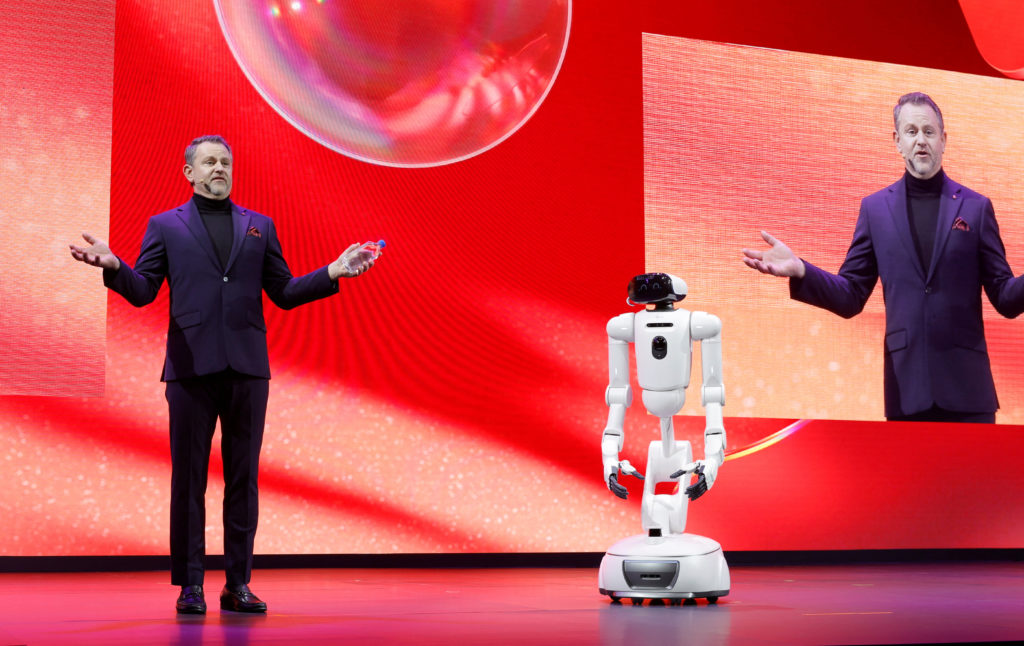
Nvidia’s CES message: AI moves from screens to machines
At CES 2026 in Las Vegas, Nvidia leaned heavily into the idea of “physical AI,” describing systems trained in simulated, computer-generated environments and then deployed into real-world machines. PBS NewsHour’s coverage said the concept centers on using synthetic data and virtual training to help AI models learn complex tasks—then transferring those capabilities into robots, vehicles, and other physical devices.
The pitch reflects a broader industry shift: after years of progress in text, image, and code generation, companies are racing to bring AI into spaces where errors have higher costs, including transportation, manufacturing, and logistics. That has raised demand for better simulation tools, more capable chips, and stronger safety and evaluation methods.
Cosmos, Alpamayo, and the next chip platform
PBS reported that Nvidia CEO Jensen Huang highlighted “Cosmos,” described as an AI foundation model meant to simulate environments governed by real-world physics, and “Alpamayo,” an AI model aimed at autonomous driving. Huang also said Nvidia’s next-generation AI superchip platform, Vera Rubin, is in full production—an update closely watched by customers building large AI data centers and by competitors trying to catch up in performance-per-watt and total cost of ownership.
Nvidia also announced a partnership with Siemens, signaling continued effort to deepen its role in industrial and engineering workflows where simulation, digital twins, and automation increasingly overlap. For many enterprises, the question is not only what models can do, but how reliably they can be trained, tested, and monitored when they interact with physical systems.
Competition rises as “backbone of AI” status is challenged
The CES announcements came as Nvidia faces stronger competition across chips and AI infrastructure. The company’s strategy is to expand from selling GPUs into selling platforms—software, simulation tools, and models that keep customers tied to its ecosystem. That approach can lock in demand even when alternative hardware options become more available.
CES, while consumer-facing on the surface, has increasingly become a stage for enterprise AI narratives. Nvidia’s show signals that the next frontier is not merely bigger models, but models that can reason about and act within the constraints of the physical world—safely, cheaply, and at scale.