Verizon outage traced to software issue; carrier says no indication of cyberattack and offers customer credits
A nationwide Verizon disruption that knocked out wireless service for many users on January 14 was linked to a software issue, the carrier said, adding it has found no sign of a cybersecurity incident while customers seek promised credits.
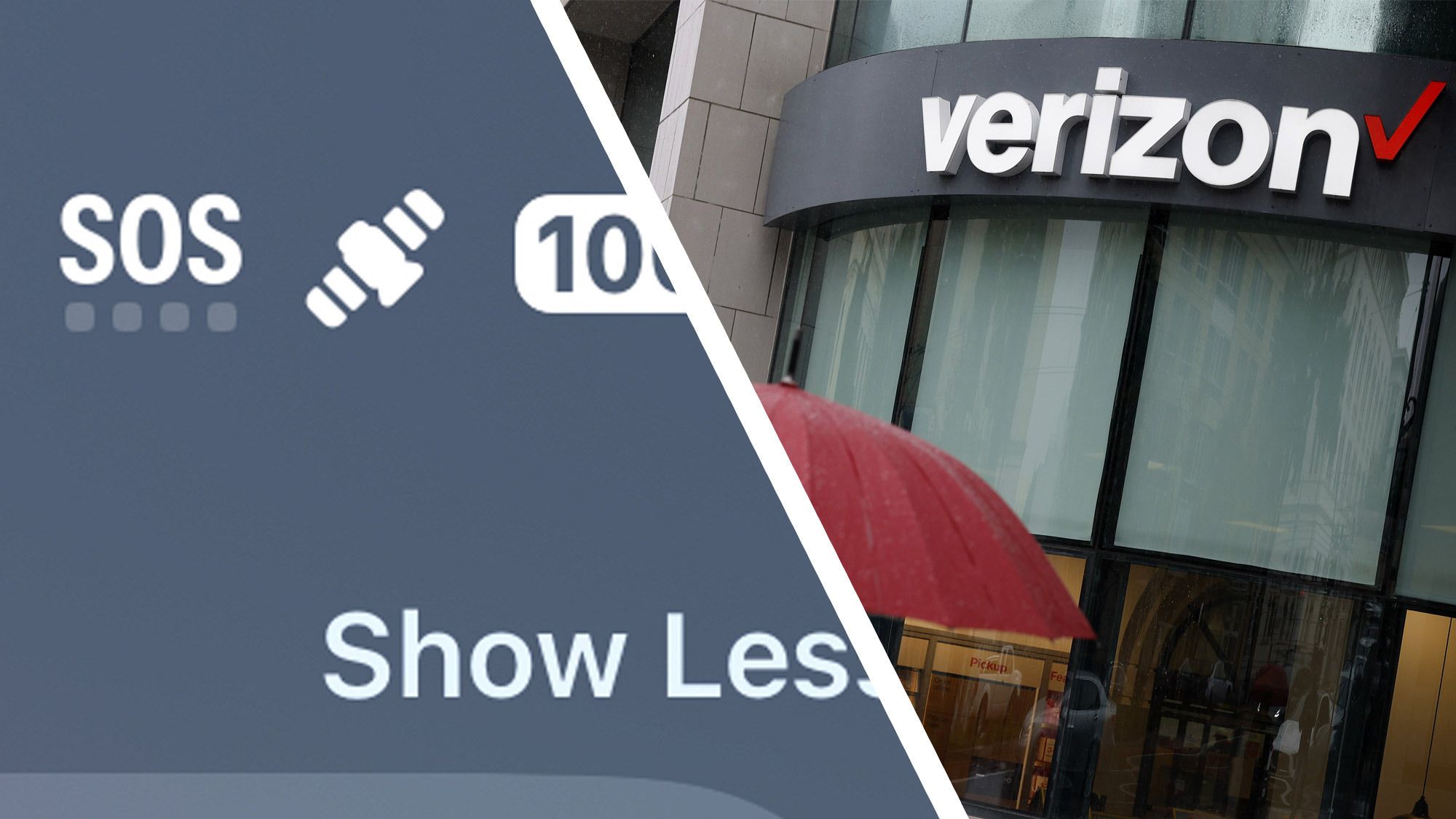
A widespread outage left phones showing “SOS”
Verizon customers across the United States reported major service problems during a January 14 outage that affected calling, texting, and mobile data. At the height of the disruption, outage trackers showed a surge of user complaints, and many people reported losing normal cellular signal—some devices displaying “SOS” indicators that typically appear when a phone can only access emergency services.
Reports came from multiple regions and major metro areas, highlighting how quickly a network interruption can ripple into everyday life: commutes, deliveries, work calls, and even basic authentication for banking or workplace logins can fail when mobile data drops.
Verizon points to a software issue, not a breach
After service was restored, Verizon said the outage was caused by a software issue and that it was conducting a review of what happened. The company also said there was no indication the incident was a cybersecurity attack—an important point given how frequently telecom disruptions can trigger public speculation about hacking.
The distinction matters for regulators and customers alike. A software failure generally raises questions about change management, redundancy, testing, and rollback procedures. A cyber incident raises a different set of alarms—data integrity, nation-state threats, and the potential exposure of sensitive information.
Customer credits and lessons for resiliency
Verizon also discussed credits for impacted customers, with reports indicating people were looking for how to claim or confirm the credit inside the company’s app. Even when an outage is relatively short, customer compensation is often used to reduce churn and address frustration—especially for users who rely on cellular service for business operations.
The outage is a reminder that modern telecom networks are deeply software-driven, and that reliability depends on rigorous controls around updates and configuration. For consumers, it also reinforces the value of basic contingency plans—such as enabling Wi‑Fi calling where available and keeping alternate contact methods for emergencies or critical work communications.