Nvidia unveils open Earth-2 AI weather models aimed at faster forecasting and broader access
Nvidia announced a new Earth-2 family of open models and tools for AI-driven weather and climate forecasting, pitching faster prediction workflows and easier adoption for researchers, governments and businesses.
A push to make weather AI more accessible
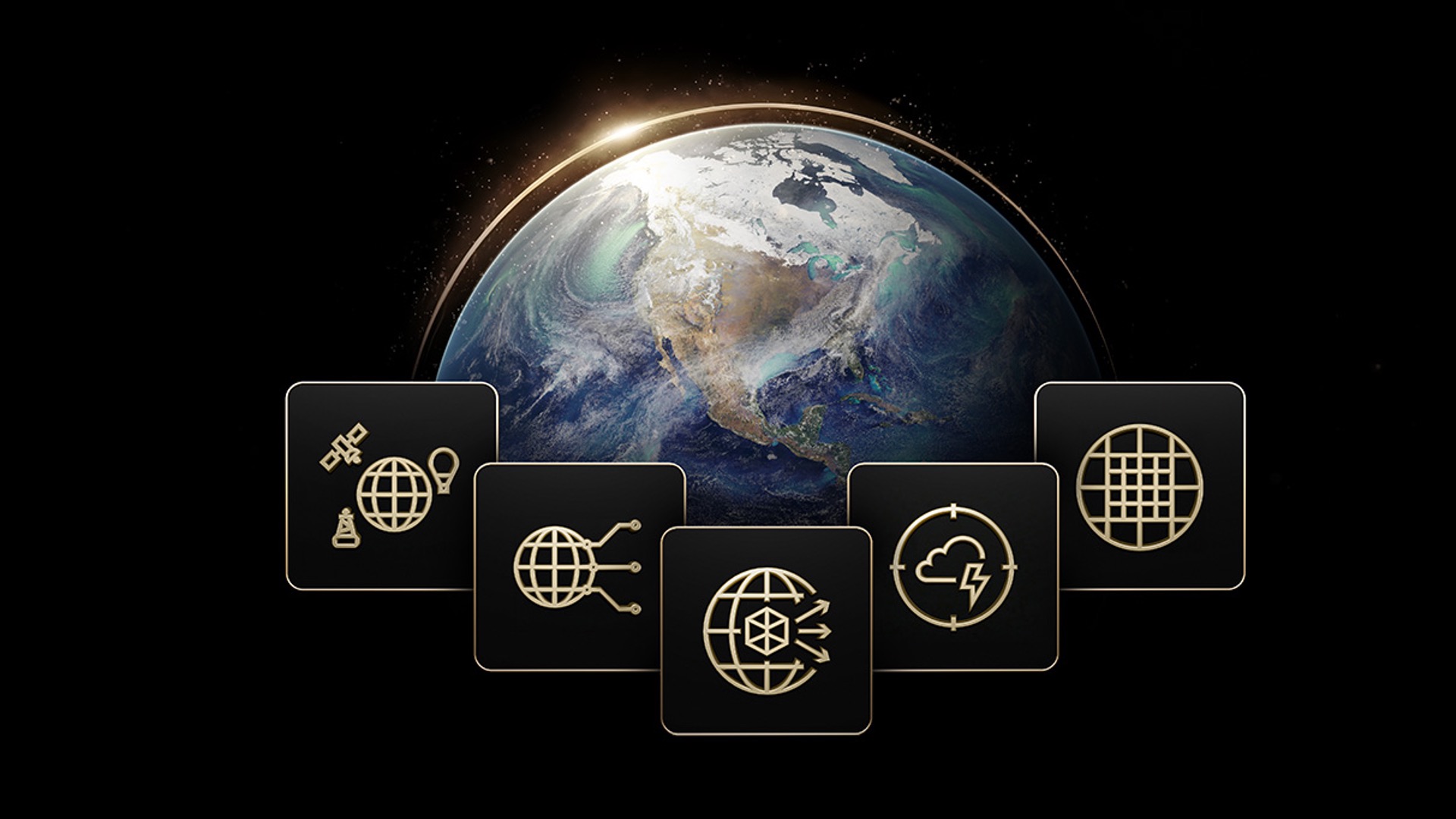
Nvidia introduced a new “Earth-2” family of open models, libraries and frameworks intended to accelerate AI-based weather and climate forecasting. The company said the release is designed to help users work across the full pipeline—from processing observation data to producing global forecasts and local storm predictions—by offering an open, accelerated software stack that developers and institutions can build on.
The announcement was made around the American Meteorological Society’s annual meeting, where weather agencies and researchers have increasingly explored machine learning to complement traditional physics-based forecasting. Nvidia positioned the Earth-2 tools as a way to lower barriers for producing high-quality forecasts, especially where compute budgets and specialized infrastructure are limited. The company highlighted capabilities such as global outlooks and localized nowcasting-style outputs meant to track storm evolution.
Why this matters beyond weather forecasts
Faster and cheaper forecasting workflows can have significant knock-on effects in sectors that depend on risk modeling and operational planning, including insurance, energy, agriculture and disaster response. If AI models can produce useful ensembles quickly, organizations may be able to run more scenarios, update risk estimates more often, and respond faster to severe weather. The open approach also signals a strategic bet: that broader adoption can create an ecosystem of users who standardize on Nvidia-optimized tooling.
At the same time, widespread use of AI forecasting raises questions about evaluation standards, transparency, and how agencies blend AI outputs with established numerical models. Weather prediction is safety-critical in many contexts, so researchers will continue testing how well such models generalize across regions, seasons, and rare extremes.
What to watch next
- Which national weather agencies and private firms adopt the Earth-2 stack for production or trials.
- How the models perform during high-impact events compared with traditional forecasts.
- Whether open releases accelerate competition among major AI labs in scientific forecasting.
Nvidia’s move reinforces a broader trend: AI models are being tailored to domain science and operational decision-making, not only consumer apps. The next test will be real-world performance and how quickly the tools are integrated into day-to-day forecasting and risk workflows.