AP: U.S. risks losing measles elimination status as outbreaks spread into 2026
Public health officials warn the United States is approaching the threshold for losing measles elimination status amid prolonged transmission, with vaccination gaps and multiple outbreaks driving continued spread.
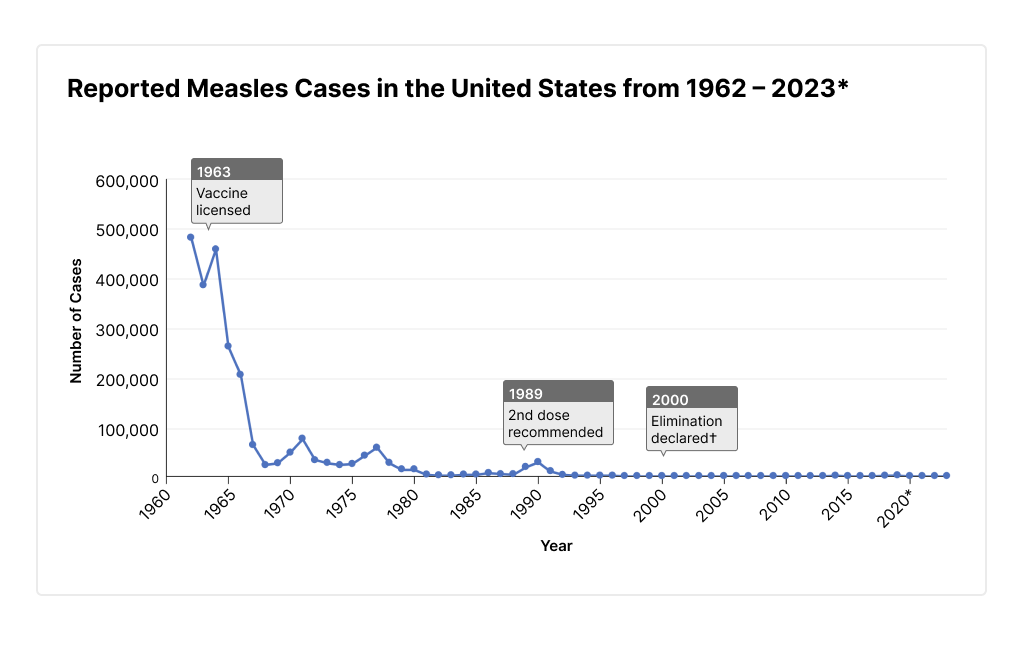
The United States is at risk of losing its measles elimination status as outbreaks continue to spread and sustain transmission, according to reporting that highlights renewed concern among public health officials and infectious-disease experts. The central issue is duration: elimination status can be jeopardized when a chain of transmission continues for at least 12 months without interruption, signaling that the virus is no longer being consistently contained.
The current resurgence traces back to an outbreak that began in West Texas in January 2025 and has since expanded across multiple states. By 2025, the U.S. recorded a large number of cases across dozens of states—levels not seen in decades—and the continuing spread into 2026 has intensified warnings that the country could cross the formal threshold for losing elimination status.
The practical drivers are familiar but still difficult to reverse: declining childhood vaccination rates in some communities, increased exemptions, access barriers, and the long tail of misinformation that undermines trust in routine immunization. Measles is among the most contagious viruses; even a small drop in vaccination coverage can create pockets where outbreaks can ignite and then jump to other under-immunized groups.
Public health agencies also face operational challenges when outbreaks scale up. Case investigation and contact tracing are labor-intensive, requiring staff to quickly identify exposures in schools, clinics, and public spaces and to coordinate post-exposure vaccination or quarantine guidance. When multiple outbreaks occur at once, local health departments can be overwhelmed, and containment can slow.
International and regional dynamics matter as well. Cross-border movement can reintroduce the virus into communities where vaccination rates are uneven, and genetic tracing, while helpful, can be limited by how slowly measles mutates compared with other pathogens. That can make it harder to definitively connect outbreaks—yet from a control perspective, the priority remains rapidly raising immunity and stopping sustained spread.
A potential loss of elimination status would be a symbolic and practical setback. Symbolically, it signals that a disease once considered effectively controlled domestically has regained a foothold. Practically, it underscores vulnerabilities in immunization coverage and public health infrastructure, and it can fuel additional costs for schools, hospitals and local agencies responding to exposures.
Health experts emphasize that the most effective tool remains vaccination—particularly the MMR vaccine—alongside rapid response to outbreaks and community engagement that addresses specific reasons families are not vaccinating, whether due to misinformation, access issues, or distrust. Reversing the trend typically requires both improved coverage and sustained investment in public health capacity.