CDC calls 2025–26 flu season ‘moderately severe’ as U.S. cases estimated at 11 million
U.S. flu activity rose in late December, prompting the CDC to classify the 2025–26 season as “moderately severe” as of early January. Reuters reported CDC estimates of at least 11 million illnesses so far, alongside rising hospitalizations and deaths.
Flu activity remains elevated
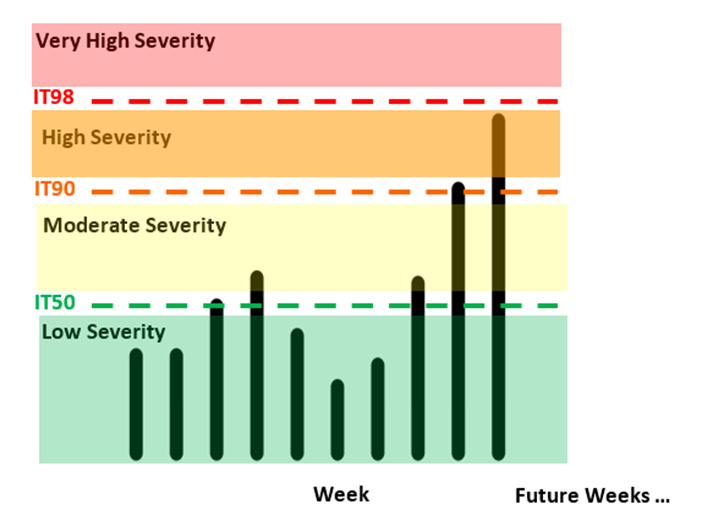
Seasonal influenza activity stayed elevated and increased in the final week of December, according to U.S. Centers for Disease Control and Prevention data cited in a Reuters report dated January 5, 2026. The CDC classified the 2025–26 influenza season as “moderately severe,” a label intended to communicate that the burden of illness, hospital strain and broader impacts are meaningfully above a mild season.
The Reuters report said the CDC estimated at least 11 million illnesses, about 120,000 hospitalizations and roughly 5,000 deaths so far. Those figures, while preliminary and updated over time, provide a snapshot of the early-season toll as the virus circulates widely during winter travel, school sessions and indoor gatherings.
Why this season may be surging
Public health experts told Reuters that holiday travel, lower vaccination rates, and the continued spread of misinformation likely contributed to a rise in cases. When fewer people get vaccinated, community-level protection drops, and high-risk groups—older adults, very young children, pregnant people and those with chronic conditions—can face higher rates of severe disease.
The CDC also reported that influenza A(H3N2) was the dominant strain among subtyped influenza A cases, which matters because H3N2 seasons have historically been associated with higher hospitalization rates in some age groups, particularly older adults, and can stress outpatient clinics and emergency departments.
What to watch next
The CDC warned that flu activity was likely to continue for several weeks, which is typical: the U.S. flu season often peaks sometime between December and February, but timing varies by year and region. Local hospital capacity, school absenteeism, and the spread of co-circulating respiratory viruses can all influence how severe the next phase feels to communities.
Health officials generally encourage vaccination even mid-season, alongside basic prevention steps such as staying home when sick and seeking early care if high-risk symptoms develop. In a moderately severe season, timely treatment for vulnerable patients becomes more important, because early antiviral use can reduce complications when started soon after symptoms begin.