U.S. nears a measles elimination-status review as outbreaks persist and vaccination gaps widen
Public health officials warn the U.S. is approaching a key benchmark that could trigger loss of its measles elimination designation, as a long-running outbreak continues and experts point to falling vaccination rates and uneven public health capacity.
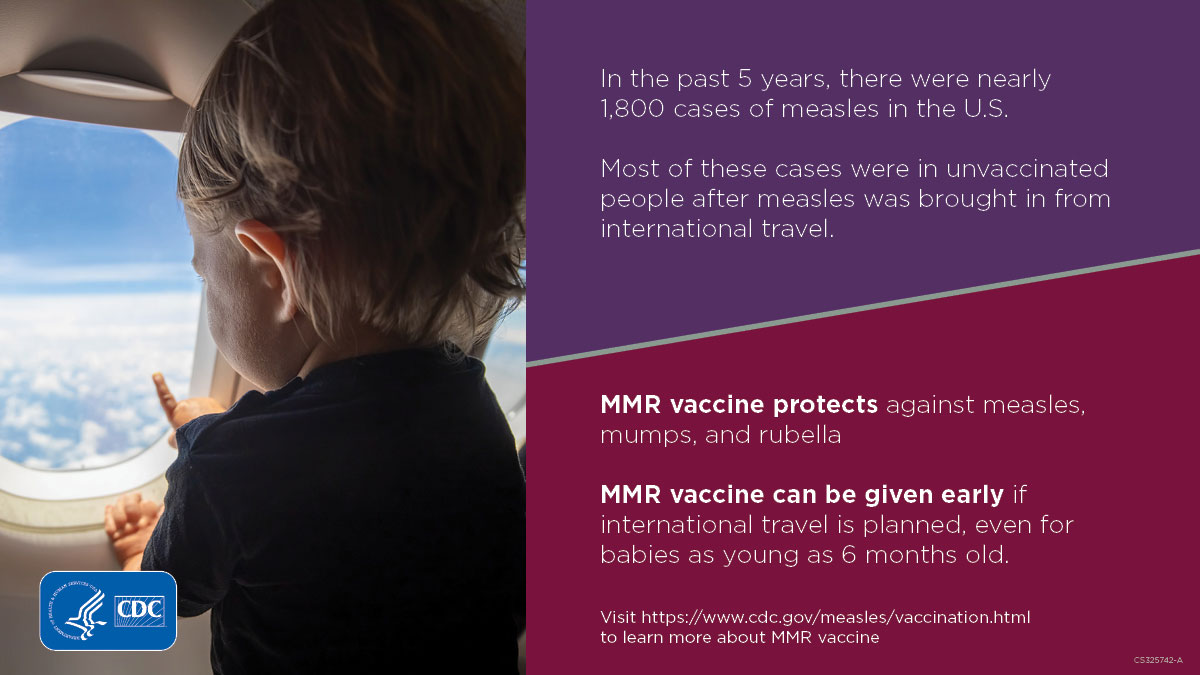
The United States is moving closer to a pivotal public health assessment that could determine whether the country keeps its measles elimination status, a designation it earned after stopping continuous domestic transmission. Health experts say a prolonged chain of spread, combined with uneven vaccination coverage, has put the U.S. at risk of failing the criteria that define elimination, even as measles remains one of the most contagious viruses known.
The current concern stems from a large outbreak that began in West Texas in January 2025 and then expanded across multiple states. As cases accumulated and new flare-ups appeared, public health officials warned that sustained transmission—if uninterrupted for 12 months—could meet the threshold used to determine that elimination has been lost. A regional health body is expected to evaluate the situation in April 2026, with the outcome likely to influence how officials communicate risk and allocate resources.
Specialists cite several drivers. Declining vaccination rates have left pockets of children and adults susceptible, while misinformation and distrust have made it harder for local health agencies to persuade families to get the measles-mumps-rubella (MMR) vaccine. Access barriers also matter: families without regular primary care may be less likely to receive on-time immunizations, and under-resourced health departments can struggle to do rapid contact tracing and community outreach when cases surge.
Because measles spreads through the air and can infect people who share the same indoor space even after an infected person leaves, outbreaks can move quickly once immunity levels drop. That reality increases the burden on schools, clinics, and hospitals, which must identify exposures, isolate cases, and manage quarantine guidance while continuing routine care.
Public health leaders say the path forward is clear but challenging: close immunity gaps with vaccination campaigns, improve access to preventive care, and rebuild confidence in routine immunizations. Whether or not the elimination label is formally changed in 2026, the underlying warning is the same—measles exploits weak spots in health systems, and reversing the trend will require sustained, community-level work.