KFF Health News: Hospitals launch their own Medicare Advantage plans as patients push back on insurers
KFF Health News reports that some hospitals are creating Medicare Advantage plans—pitching lower prices, more tailored benefits, and smoother care coordination—as seniors describe frustration with traditional insurers and as policy and payment pressures reshape coverage choices.
A growing number of hospitals are offering their own Medicare Advantage plans, presenting them as a way to reduce friction with insurers and give patients a more coordinated experience—especially for people managing complex and costly conditions, KFF Health News reported in its January 26 First Edition briefing.
KFF Health News described one retiree, Larry Wilkewitz, who had carried a commercial Medicare Advantage plan for years but later switched after hearing about a new hospital-backed plan connected to the West Virginia University Health System. He said the alternative was cheaper and felt more personal, with extras such as an allowance for certain over-the-counter pharmacy items.
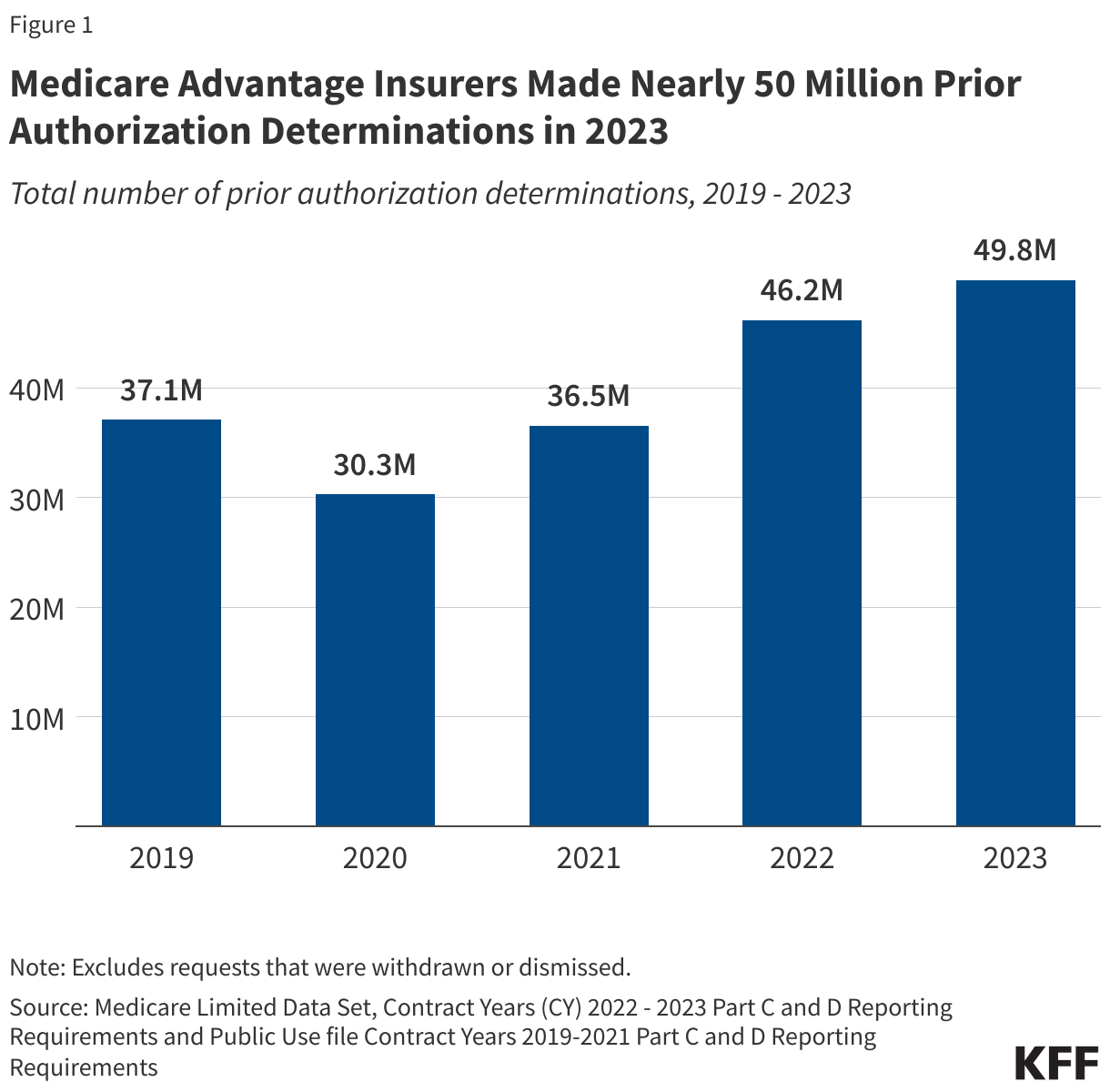
The appeal, the story suggests, is not just price: patients and clinicians often complain about prior authorization, denials, and administrative obstacles that can delay treatment or add stress at exactly the moment people need care. Hospital-run plans argue that integrating coverage with local care delivery can reduce those barriers.
At the same time, hospital-sponsored Medicare Advantage plans can raise new questions about incentives. When the same system both provides care and manages the insurance product, critics worry about whether cost control could influence access decisions, network design, or the availability of services outside the sponsoring system.
KFF Health News positioned these plans within a shifting Medicare landscape where seniors face a complicated choice set: traditional Medicare with supplemental coverage, large national Medicare Advantage plans, and now an increasing number of locally branded options tied to hospital systems.
For patients, the practical implications often come down to whether preferred doctors and hospitals are in-network, what out-of-pocket costs look like for prescriptions and specialist visits, and how quickly the plan approves needed care. The growth of provider-owned Medicare Advantage plans suggests hospitals believe they can compete on those everyday experiences, not only on premiums.