Study warns nearly half of CDC surveillance databases paused or delayed updates in 2025
Researchers reported that many routinely updated CDC health surveillance databases stopped or slowed updates in 2025, with vaccine-related systems disproportionately affected, raising concerns about outbreak detection and public trust.
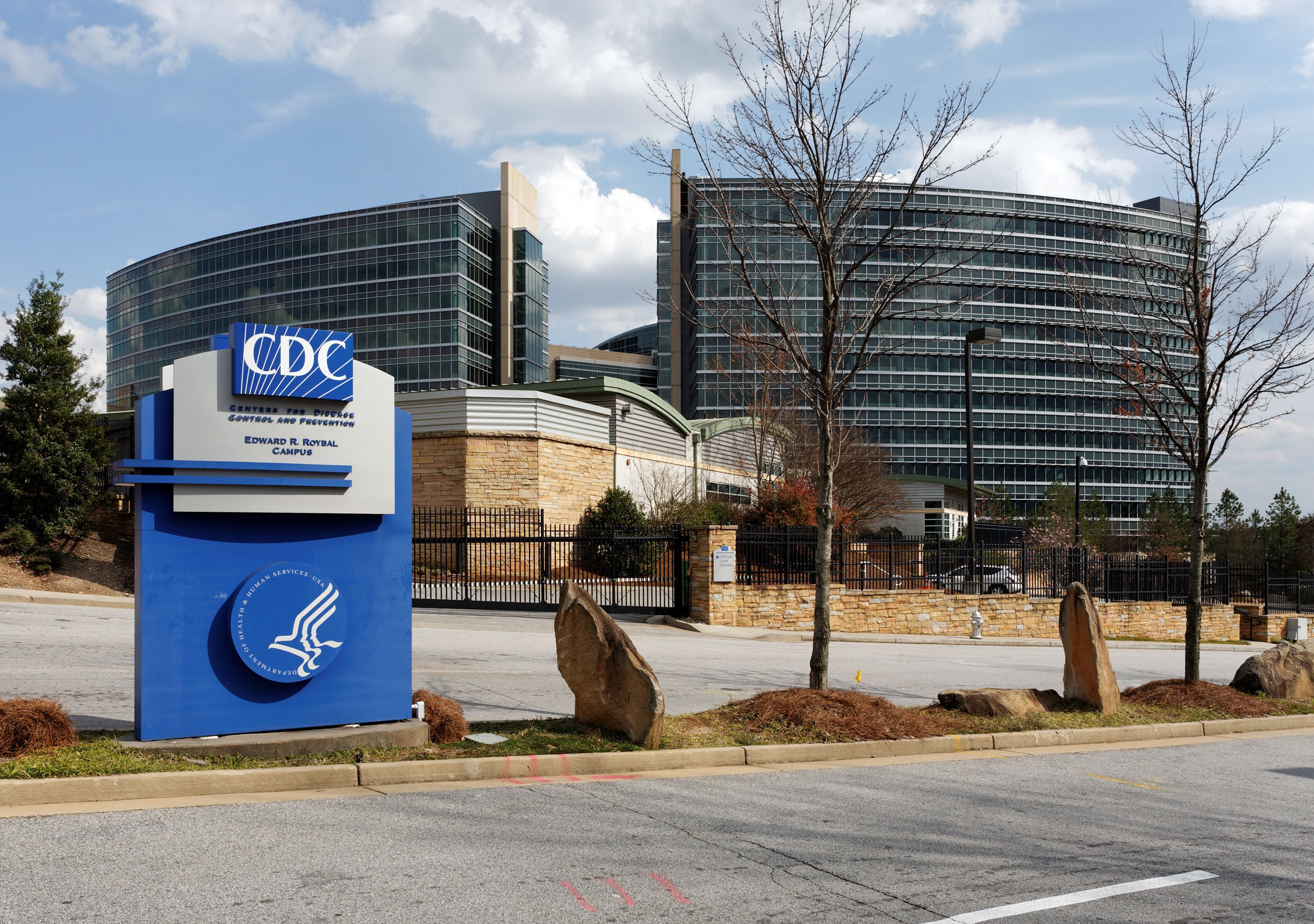
A data gap with real-world consequences
A new study published in Annals of Internal Medicine found that a large share of U.S. Centers for Disease Control and Prevention health surveillance databases that were previously updated regularly stopped updating or were significantly delayed during 2025. The researchers reported that 38 out of 82 CDC databases updated at least monthly were no longer current as of late October 2025, with many showing no entries dated within the prior six months.
The findings raised alarms because public health surveillance is foundational for detecting outbreaks early, tracking vaccination coverage, and guiding clinical and policy decisions. The study reported that vaccine-related databases were especially affected, while other paused systems involved infectious disease monitoring and drug overdose death tracking. Experts warned that gaps in timely data can slow response measures, complicate risk communication, and weaken the evidence base used by state and local agencies.
Why surveillance timeliness matters
Surveillance datasets are used to spot unusual rises in cases, identify under-vaccinated communities, and measure whether interventions are working. When updates pause without clear explanation, public health officials may be forced to rely on partial state data, delayed reports, or less consistent alternative sources. Researchers and clinicians also use these systems to study disease trends and evaluate policies; stale data can disrupt research timelines and reduce confidence in findings.
The reporting also intersected with broader debates about transparency and public trust. Experts cited the importance of clear status notices, explanations for interruptions, and timelines for resuming publication so stakeholders understand what data are available and what is not. Without those guardrails, routine decision-making—from vaccination campaigns to hospital preparedness—can become more difficult.
Key takeaways
- A substantial portion of CDC monthly-updated databases were found to be out of date during 2025.
- Vaccine-related surveillance systems were disproportionately represented among the paused databases.
- Researchers and experts called for transparency standards, including clear explanations and restart timelines.
The study adds to concerns from health officials that surveillance interruptions can leave the U.S. less prepared for fast-moving threats such as measles flareups, seasonal respiratory surges, and emerging pathogens. The authors and outside experts emphasized that restoring reliable, timely updates is essential for prevention and rapid response.