Indiana’s CFP title win draws huge audience, becoming the most-watched college football game in 11 years
Indiana’s College Football Playoff national championship victory over Miami delivered a massive TV audience, signaling sustained momentum for the expanded postseason format and underscoring the sport’s ability to command non-NFL viewership at scale.
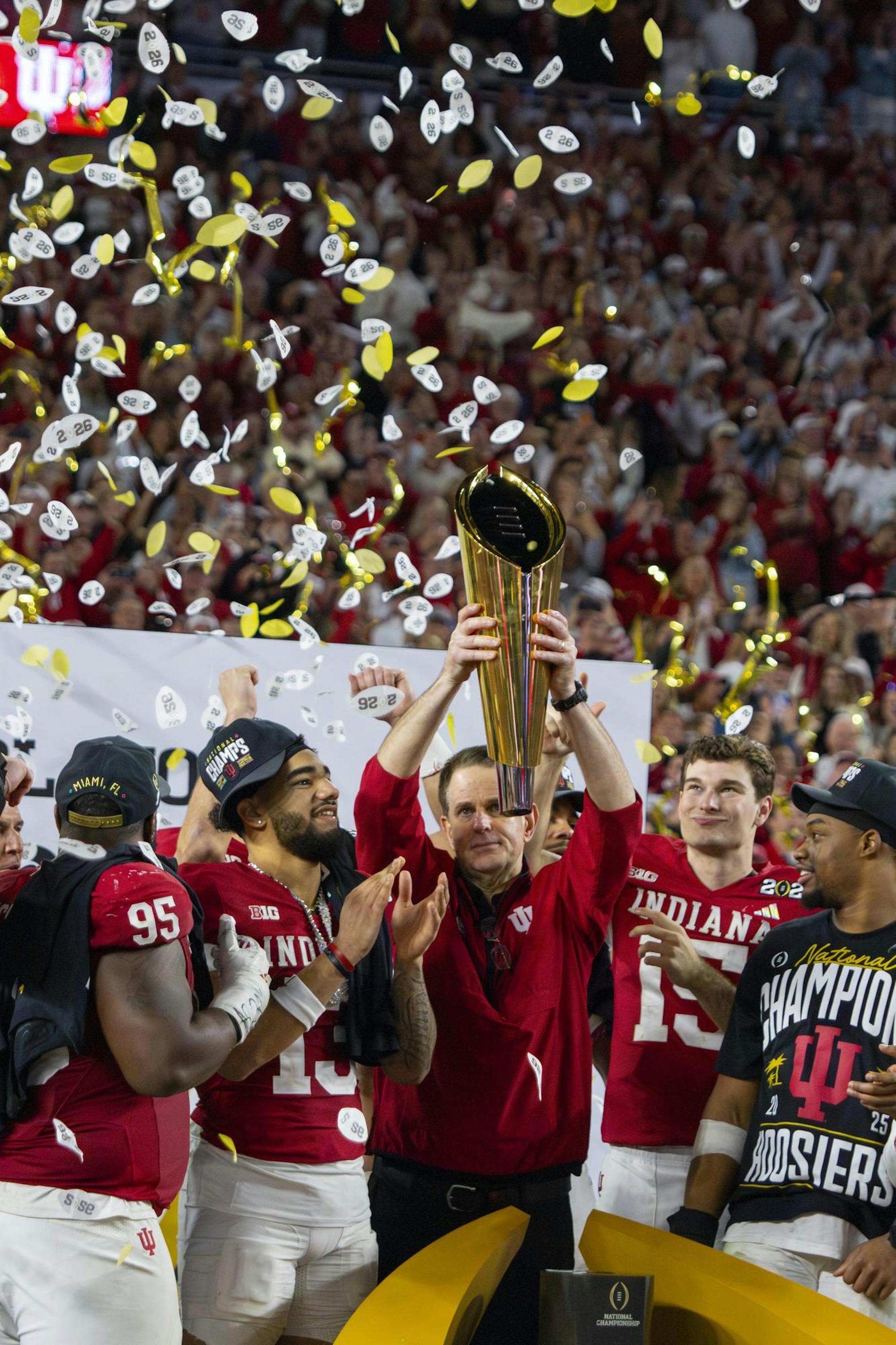
A championship that captured a national audience
Indiana’s win over Miami in the College Football Playoff national championship averaged about 30.1 million viewers, making it the most-watched college football game in 11 years. The Hoosiers’ 27–21 victory also ranked among the most-watched CFP title games to date, reinforcing that the championship remains one of the biggest annual events in American sports.
The audience climbed even higher during peak moments, reflecting how a close, high-stakes game can draw in casual viewers and keep them through the most dramatic stretches.
What the numbers say about the expanded playoff era
The 2025–26 season was the second year of the 12-team playoff format, and the overall viewership trends indicate the broader tournament is helping keep fans engaged deeper into January. With more meaningful games and more teams involved, the sport has created additional high-interest matchups that can build momentum into the title game.
For networks and advertisers, strong championship ratings help justify the enormous cost of media rights. For colleges, the visibility can translate into recruiting advantages, fundraising boosts, and increased national brand recognition.
Why Indiana’s title resonates beyond the score
Indiana’s first national football championship is also a storyline with broad appeal: a program not traditionally associated with the sport’s top tier captured the sport’s biggest prize. Those narratives can pull in viewers who might not otherwise tune in, especially when the game remains competitive into the second half.
In a crowded sports calendar, the result shows that college football’s championship—when paired with a compelling matchup and credible stakes—can still deliver one of the largest non-NFL audiences on U.S. television.