Russia hits Kyiv and Kharkiv as U.S.-led peace talks continue in Abu Dhabi
Ukraine says Russia launched another large drone-and-missile assault on Kyiv and Kharkiv while negotiators from Ukraine, Russia and the United States continued talks in the UAE. The strikes worsened winter outages and renewed debate over whether Moscow is negotiating in good faith.
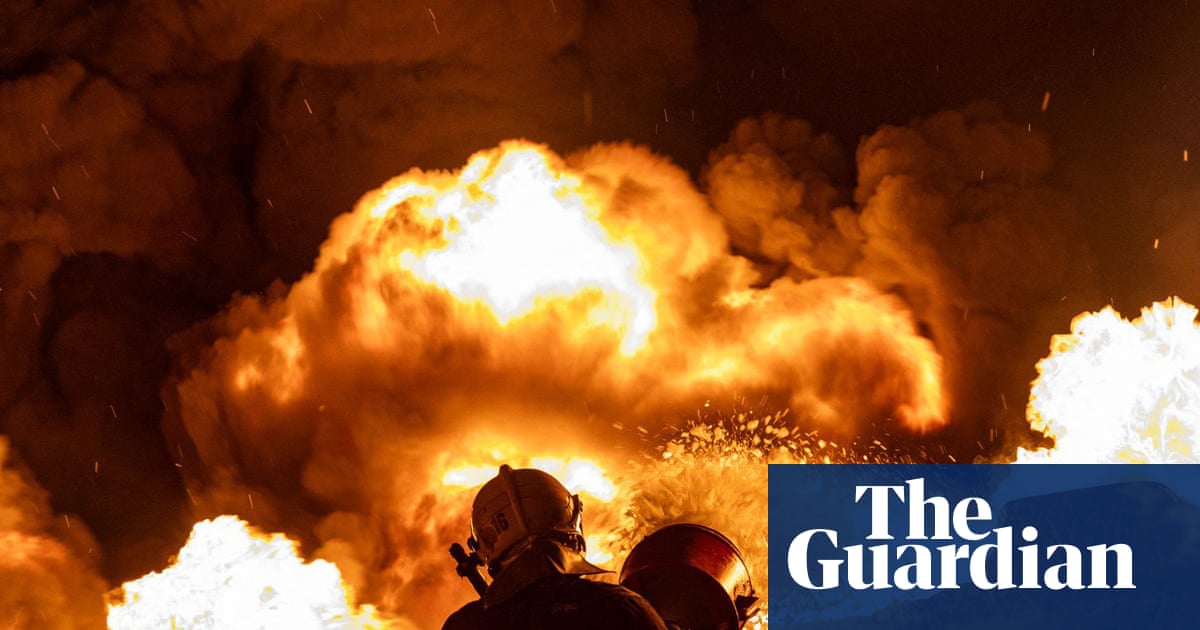
Strikes land during talks, deepening Ukraine’s winter energy crisis
Russia launched a major drone-and-missile assault on Ukraine’s two largest cities early Saturday, January 24, 2026, as U.S., Ukrainian and Russian delegations met in the United Arab Emirates for a second day of tripartite peace talks. Ukrainian officials said the barrage targeted critical infrastructure and residential areas, leaving at least one person dead and at least 15 wounded, while also driving broader disruptions to heating, power and essential services.
Ukraine’s leadership framed the timing as deliberate. Foreign Minister Andrii Sybiha described the attack as another night of terror occurring while diplomacy was underway, arguing it undercut efforts to advance an America-led process. President Volodymyr Zelenskyy also condemned the strikes and reiterated calls for stronger air-defense implementation, while emphasizing that negotiations resumed despite the damage and ongoing outages.
Officials in Kyiv reported widespread heating problems amid subfreezing temperatures, with thousands of apartment buildings affected. The reported scale of the attack added urgency to restoration efforts and raised public anxiety in a capital already strained by repeated strikes on energy infrastructure this winter. In Kharkiv, officials said multiple drones hit several districts, including a dormitory for displaced people and medical facilities, causing injuries and additional disruptions.
Diplomacy continues, but core disputes remain
Despite the escalation, talks continued and were described as constructive by Ukrainian officials, with the possibility of another round as early as next week. Still, major obstacles remain. The fate of territory in eastern Ukraine—especially the Donbas region—remains a central sticking point, and the renewed strikes fueled skepticism in Kyiv and in parts of Europe about Moscow’s willingness to compromise.
Participants and observers note that battlefield pressure and diplomatic maneuvering often run in parallel, but the optics of a large attack during talks can harden positions on both sides. Ukrainian officials argued that continued attacks on civilians and infrastructure should carry consequences and cannot be separated from negotiations about borders, security guarantees and postwar arrangements.
What happens next
With winter conditions amplifying the impact of power and heating outages, Ukraine’s near-term priorities include emergency repairs and additional air-defense support. Diplomatically, negotiators are expected to continue probing whether any confidence-building steps are possible while the larger territorial questions remain unresolved. For now, the latest strikes reinforce the central dilemma: talks may proceed, but the war’s momentum is still being shaped by missiles, drones and the pressure they create.