Saudi Arabia postpones the 2029 Asian Winter Games planned for NEOM’s Trojena project
Saudi Arabia and the Olympic Council of Asia agreed to postpone the 2029 Asian Winter Games, which were due to be staged at Trojena, the planned mountain resort inside the NEOM megaproject. The announcement renews questions about cost, timelines and the practicality of hosting snow-dependent sports in an arid environment.
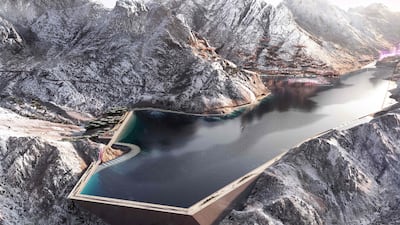
A high-profile event put on hold
Saudi Arabia and the Olympic Council of Asia have agreed to postpone the 2029 Asian Winter Games, indefinitely delaying a major sports showcase that was set to be hosted at Trojena, a planned year-round ski resort within the NEOM project. The original award drew global attention because it aimed to bring winter sports to a country with a desert climate, relying on extensive construction and technology to create competition-ready venues.
The parties said the delay followed consultations and was intended to support sustainable development of winter sports in Saudi Arabia and across West Asia. No single detailed reason was publicly emphasized in the initial announcement, but the postponement highlights the complexity of building a large-scale winter sports ecosystem from scratch, including slopes, athlete housing, transport links, and supporting services.
Financial and logistical pressures
The move comes as the kingdom invests heavily in multiple global events and infrastructure programs, from future expos to major football tournaments, while also navigating shifting oil-market conditions and broader fiscal trade-offs. Large investments in tourism and entertainment are central to Vision 2030, a plan aimed at diversifying the economy beyond hydrocarbons. But mega-events require not only construction capital, they also demand long-term operational budgets and a steady pipeline of sporting activity to justify specialized facilities.
Critics have long raised environmental questions about snow-dependent competitions in an arid setting, including energy consumption, water requirements, and the footprint of building mountain resorts. Supporters argue that advanced design, new technologies and integrated planning can make projects viable while boosting tourism and attracting investment.
What happens next
Saudi officials indicated they plan to host standalone winter sports events in the future instead of the full multi-sport winter games, potentially as stepping stones toward a later attempt at staging the Asian Winter Games. For organizers, the postponement also opens questions about how the Olympic Council of Asia will reschedule the competition, whether a new host will be considered, and what standards will be applied to climate suitability and sustainability metrics.
For now, the postponement is a reminder that a headline-grabbing bid is only the start. Delivering a winter sports event at the scale of a continental games requires infrastructure, financing, and long-term operational planning that can withstand economic swings and construction realities.