U.S. envoys press Israel to move into Gaza ceasefire’s next phase as talks focus on Rafah
Senior U.S. envoys met Israel’s prime minister to push for progress into the second phase of a Gaza ceasefire, amid debate over hostages, reopening Rafah, monitoring, and troop withdrawals.
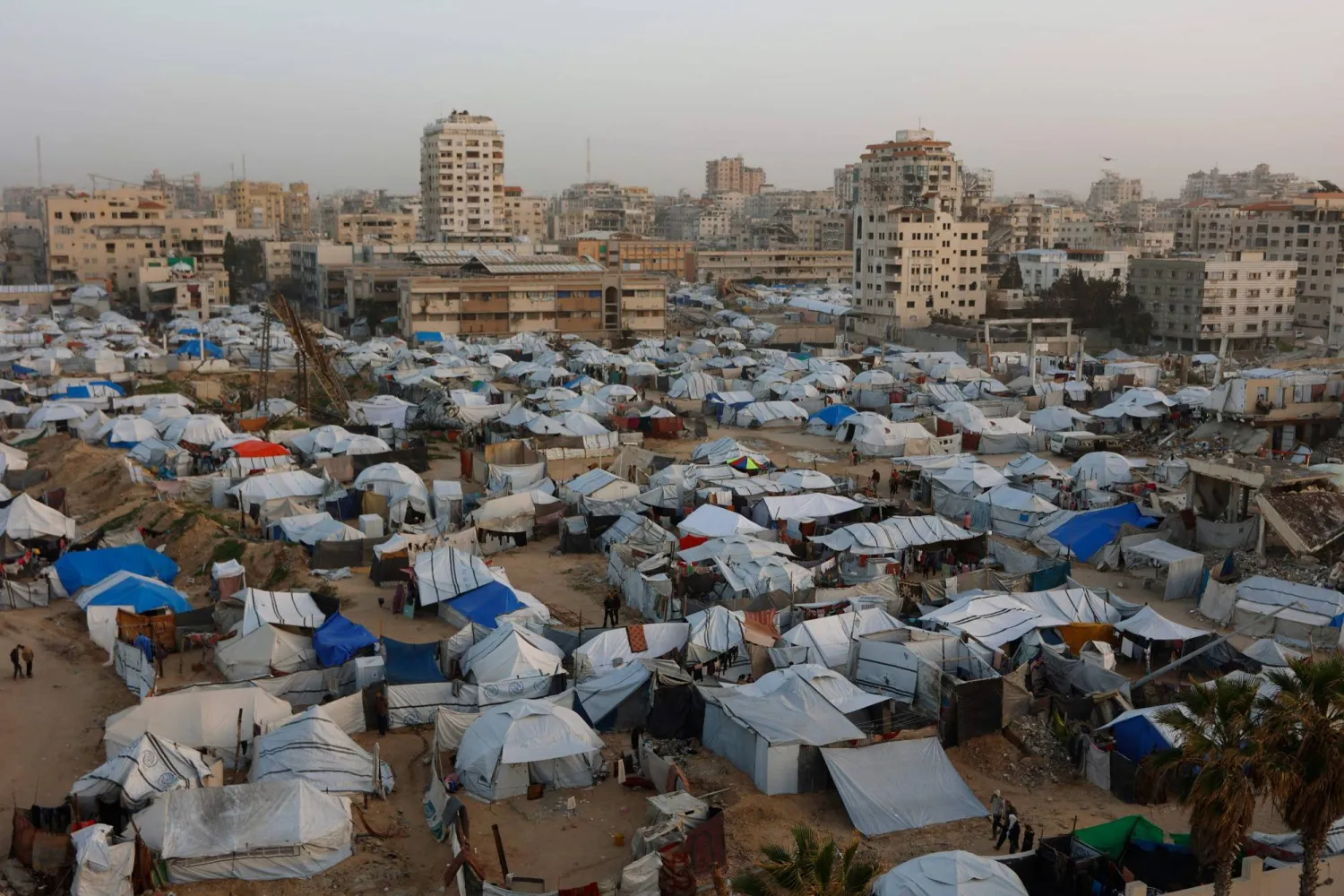
High-level U.S. envoys met with Israeli Prime Minister Benjamin Netanyahu to urge movement into the next phase of a ceasefire framework in Gaza. The discussions centered on steps that would shift the agreement from immediate de-escalation toward longer-term arrangements, including border operations, oversight mechanisms, and the sequencing of security decisions that remain politically sensitive for all parties.
A key element in the talks involved the return of hostage remains and the commitments that intermediaries believe are necessary to unlock the second phase. Negotiations have been complicated by disputes over verification, timelines, and the practical reality of conducting recoveries and transfers amid damaged infrastructure and continuing security incidents.
Another major focus was the Rafah border crossing between Gaza and Egypt, which many diplomats view as a crucial lever for humanitarian movement and administrative stability. Egypt has pushed for reopening, and officials have floated the idea of an international monitoring presence to manage security concerns and reduce the risk of renewed confrontation at the crossing.
The political stakes are significant. For Israel, any decision that appears to reduce operational freedom or accelerate troop withdrawals can trigger internal backlash. For Palestinians in Gaza, delays in border functioning and uncertainty about governance translate into ongoing hardship, limited mobility, and fragile access to aid and supplies. Regional actors, meanwhile, worry that failure to implement the next phase could encourage escalation and widen instability.
Even as envoys pushed for forward motion, violence continued. Reports of strikes and disputed identifications underscored the difficulty of sustaining calm on the ground while negotiations proceed. Each incident carries the risk of derailing talks, hardening positions, and fueling anger among affected communities.
Diplomatic efforts now hinge on whether negotiators can translate general commitments into enforceable steps. That means clarifying who controls crossings, how monitoring would work, how withdrawals are defined, and what accountability exists if conditions are violated. Without that level of detail, the ceasefire’s next phase may remain an aspiration rather than a durable shift.