NATO’s Mark Rutte warns Europe cannot defend itself without the U.S. as talks on Ukraine remain sensitive
At a European Parliament hearing, NATO’s secretary general argued that U.S. military backing remains essential for Europe’s security and urged allies to move quickly on air-defense support for Ukraine while negotiations over territory continue.
A blunt message on Europe’s security architecture
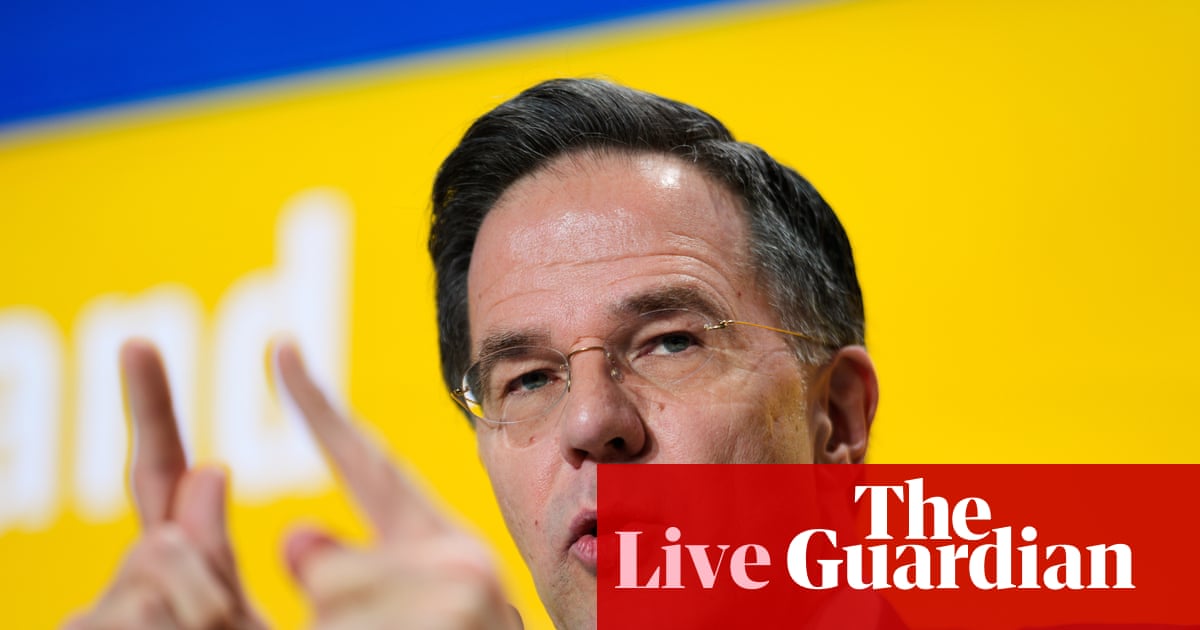
NATO Secretary General Mark Rutte delivered a stark assessment of Europe’s ability to protect itself without American support, telling lawmakers that anyone who thinks the continent could defend itself independently of the United States should “keep on dreaming.” The remarks came during a hearing in the European Parliament on Monday, January 26, 2026, as European leaders face renewed questions about defense readiness and burden sharing.
Rutte’s comments landed amid heightened tensions between Washington and several allies over Arctic security and Greenland, as well as lingering political friction tied to earlier U.S. statements about NATO partners’ military contributions. Even so, Rutte emphasized cooperation with the U.S. administration and framed transatlantic alignment as the foundation of NATO deterrence.
Ukraine: air defense urgency and delicate negotiations
Rutte also warned that Ukraine’s air-defense situation is deteriorating and called on European states to move faster on sharing equipment and resources. His message underscored the reality that the war’s humanitarian toll and infrastructure damage remain severe, even as diplomacy continues in parallel.
He described negotiations on Ukraine as “very sensitive,” stressing that decisions about territorial integrity ultimately belong to Kyiv. The framing suggested NATO’s continued effort to balance support for Ukraine with caution about appearing to dictate political outcomes.
Arctic and Greenland: security meets diplomacy
On the Arctic, Rutte outlined two broad paths: strengthening NATO’s presence and capabilities in the region while also improving diplomatic coordination among Denmark, Greenland and the United States. The Arctic has become a focal point because of strategic competition, shipping routes, and the increasing military relevance of northern basing and surveillance.
Rutte’s testimony comes at a time when European governments are accelerating long-term rearmament plans, but he argued that replacing U.S. enablers—such as intelligence, logistics, missile defense and strategic lift—would take substantial time and investment. His message to lawmakers was that Europe can and should do more, but that NATO’s current deterrent posture depends on the transatlantic link.