ICC judges say Duterte can stand trial, clearing way for proceedings in The Hague
International Criminal Court judges have ruled former Philippines president Rodrigo Duterte is fit to stand trial, advancing a case tied to killings during his anti-drug campaign and keeping global attention on accountability for state violence.
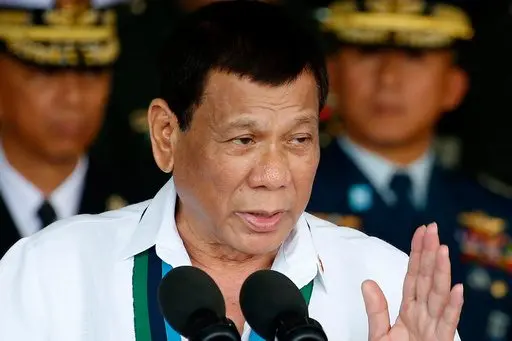
International Criminal Court judges have ruled that former Philippines president Rodrigo Duterte is fit to stand trial, a decision that clears a major procedural hurdle and moves the long-running case closer to substantive courtroom proceedings. The ruling, reported Tuesday, keeps international focus on accountability for alleged crimes tied to the country’s anti-drug campaign, a policy that generated years of controversy and condemnation from rights groups.
Duterte’s presidency was defined in large part by an aggressive approach to narcotics enforcement. Critics and human-rights organizations have argued that the campaign relied on violence and impunity. Supporters have long maintained the crackdown improved public order and targeted criminal networks. The ICC case sits at the center of this dispute, raising questions about the role of international courts in judging domestic security policies and the extent to which leaders can be held personally responsible for abuses carried out under their administration.
Why the fitness ruling matters
In practice, a determination that a defendant can stand trial is not a verdict on guilt or innocence. Instead, it signals that the court believes proceedings can move forward fairly and that the defendant is capable of participating in the process. For prosecutors, the ruling removes a potential barrier that could have delayed or complicated the case. For Duterte’s legal team, it narrows the available avenues for postponement and shifts attention back to evidence and witness testimony.
The decision also carries political weight. It arrives amid continued debate over how to quantify the violence tied to the anti-drug campaign and whether state policy encouraged unlawful killings. For families seeking justice, the ruling may be seen as a step toward recognition and accountability. For Duterte’s allies, it may be framed as external interference in a sovereign nation’s decisions about law enforcement and governance.
What comes next
The next phase will revolve around formal trial preparations: scheduling hearings, defining the scope of allegations, and managing witness protection and evidentiary disclosure. ICC proceedings can move slowly, especially in politically sensitive cases involving former heads of state. The court will also have to navigate the complicated diplomatic realities that often shape cooperation, arrests, and access to records.
Key questions the trial will test
- Whether prosecutors can establish a direct chain of responsibility between national policy and specific killings.
- How the court evaluates witness accounts, documentation, and patterns of conduct over time.
- What the case signals for future leaders facing scrutiny for security crackdowns.
Even before a single witness takes the stand, the ruling reinforces a broader message: international justice mechanisms can pursue cases long after a leader leaves office, and procedural decisions alone can carry significant diplomatic and domestic consequences.