Israel marks return of last hostage’s remains from Gaza as ceasefire enters a harder phase
Israel said it recovered and identified the remains of the final hostage held in Gaza, closing a symbolic chapter while raising new questions about the next steps in the ceasefire and Gaza’s future.
A national milestone after a long wait
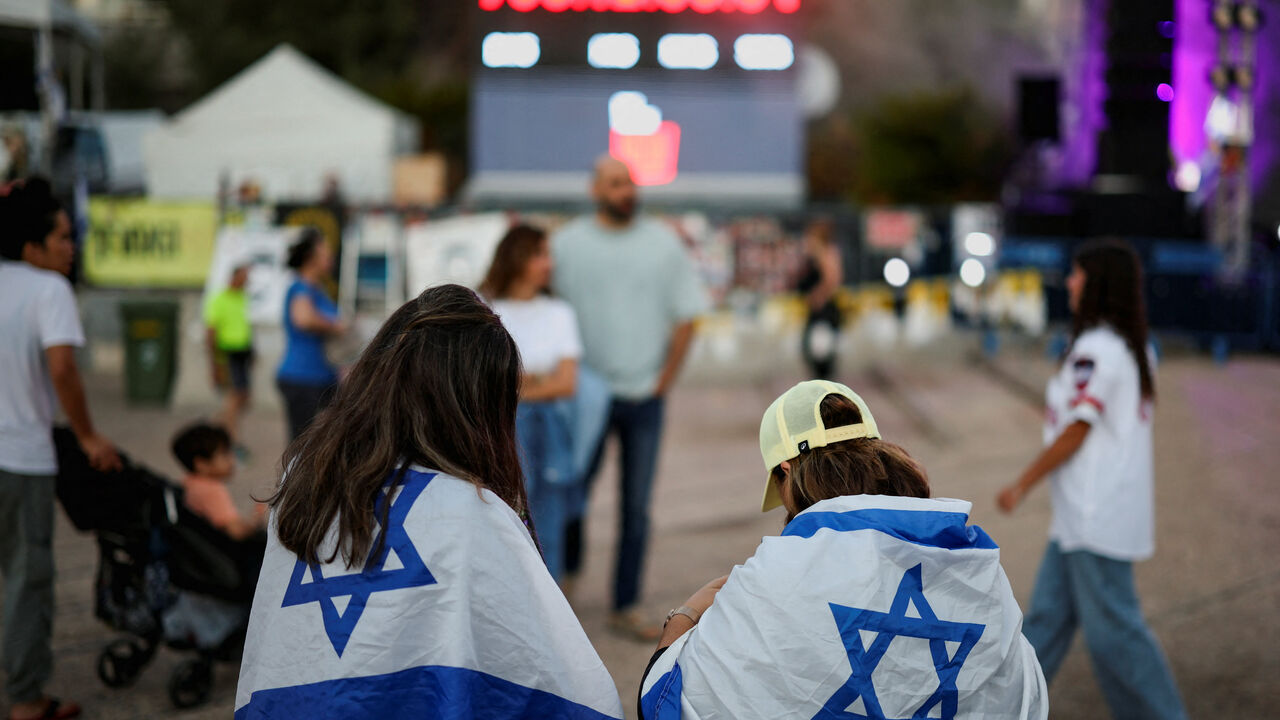
Israel marked the return of the remains of Ran Gvili, described as the last hostage held in Gaza, in a moment that carried deep emotional and political weight after more than two years of conflict. The recovery and identification ended the countdown at Tel Aviv’s Hostages Square, a focal point for demonstrations and solidarity events that pressed for the release of captives. For many Israelis, the return offered a measure of closure, even as it underscored the losses and trauma that began with the Oct. 7, 2023, attack.
The recovery was described as involving extensive investigative and forensic work, including searches and identification procedures. The event came amid a fragile ceasefire that has reduced large-scale fighting but left major disputes unresolved. With the last hostage accounted for, attention shifted to whether Israel and Hamas can navigate the next phase of the agreement without a collapse back into sustained violence.
Ceasefire diplomacy and unresolved disputes
Israeli officials linked the recovery to broader ceasefire sequencing, including discussions about crossing access and humanitarian flows. Mediators have continued to push for follow-on steps, but the political and security demands of each side remain far apart. Israeli leaders have emphasized security requirements such as demilitarization measures and addressing militant infrastructure, while Palestinians in Gaza face immense humanitarian needs, displacement, and infrastructure destruction.
At the same time, competing narratives persist over how information was obtained and how the recovery was facilitated, reflecting the mistrust that continues to shape negotiations. Any movement into a second phase would likely require more complex arrangements, including governance and security frameworks, reconstruction planning, and mechanisms to prevent renewed escalation.
Why it matters
- The final hostage’s return closes a central public campaign in Israel but does not resolve the war’s political endgame.
- The ceasefire now faces its most difficult questions: long-term security, Gaza governance, and reconstruction.
- Regional mediators remain critical to keeping the agreement on track amid high domestic pressure on both sides.
With funerary events and public commemorations underway, Israeli society is balancing grief, relief and uncertainty. In Gaza, civilians are watching for tangible improvements in access and safety, while officials and mediators attempt to prevent the fragile pause from unraveling.